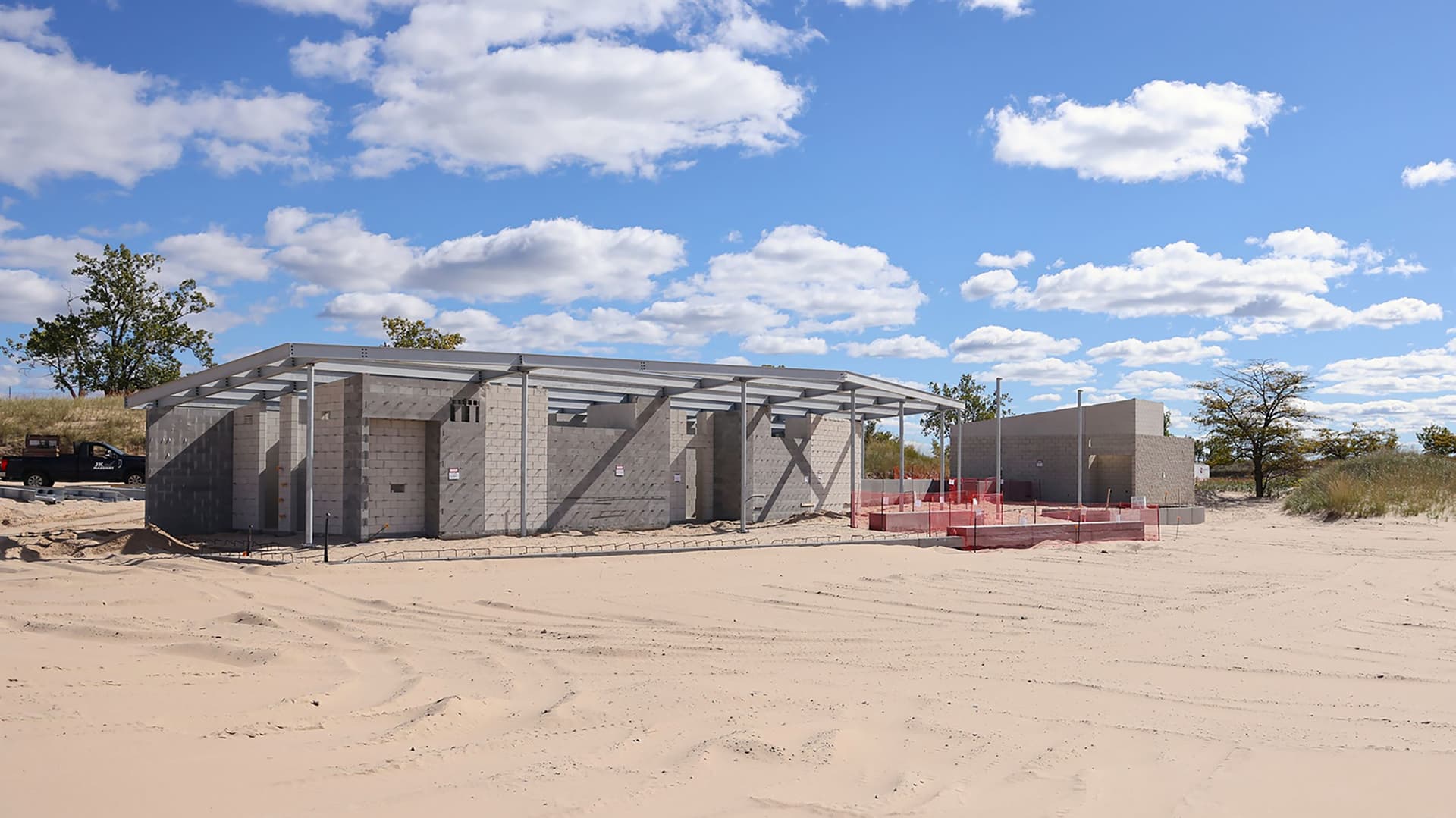
Muskegon State Park Beach House: Materiality on the Lakeshore
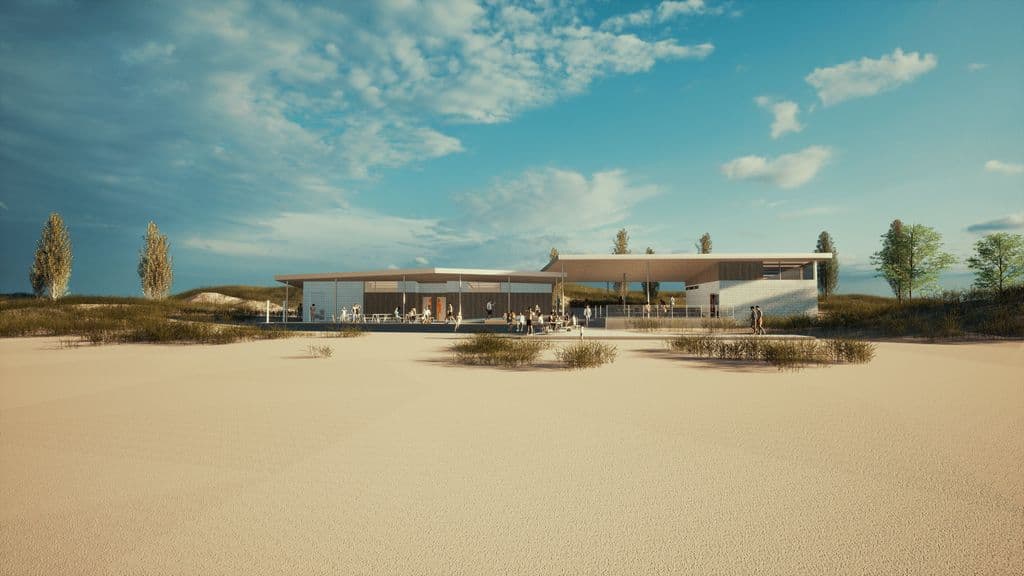
From the beginning, material selection for the Muskegon State Park Beach House was about longevity, resilience, and the responsibility that comes with building in a place shaped as much by nature as it is by people.
Sitting along Lake Michigan’s western shoreline, the site experiences some of the most demanding conditions in the region. Strong winds, blowing sand, intense sun, snow, and ice all leave their mark, particularly through long winters when the park is quiet and the building must stand on its own. In summer, that stillness gives way to heavy public use, with thousands of visitors moving through the site each season. Designing to that range of exposure and activity made material choice one of the most critical decision paths of the project.
The material palette was guided by the landscape itself. Tones and textures echo the dunes, grasses, and shifting light of the shoreline. Depending on the viewpoint, the building recedes and reappears, much like the landscape around it. At the same time, there was a desire to acknowledge the original beach house that once stood in this footprint. That structure acted as a gateway to the beach, a strong recognizable marker that welcomed the community. The new design builds on that memory, using familiar materials in updated ways to introduce additional texture, depth, and human scale while maintaining a sense of continuity and belonging.
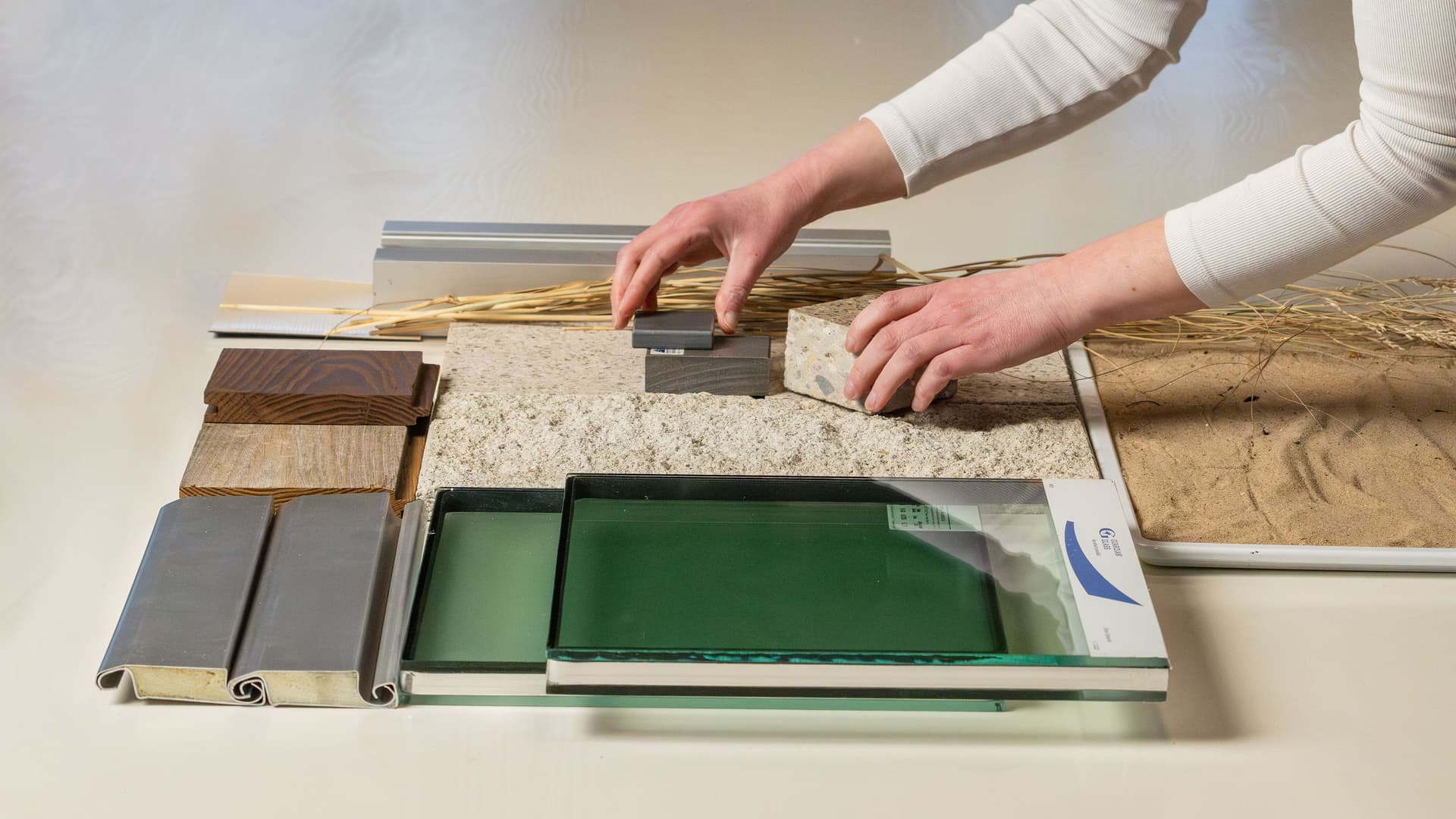
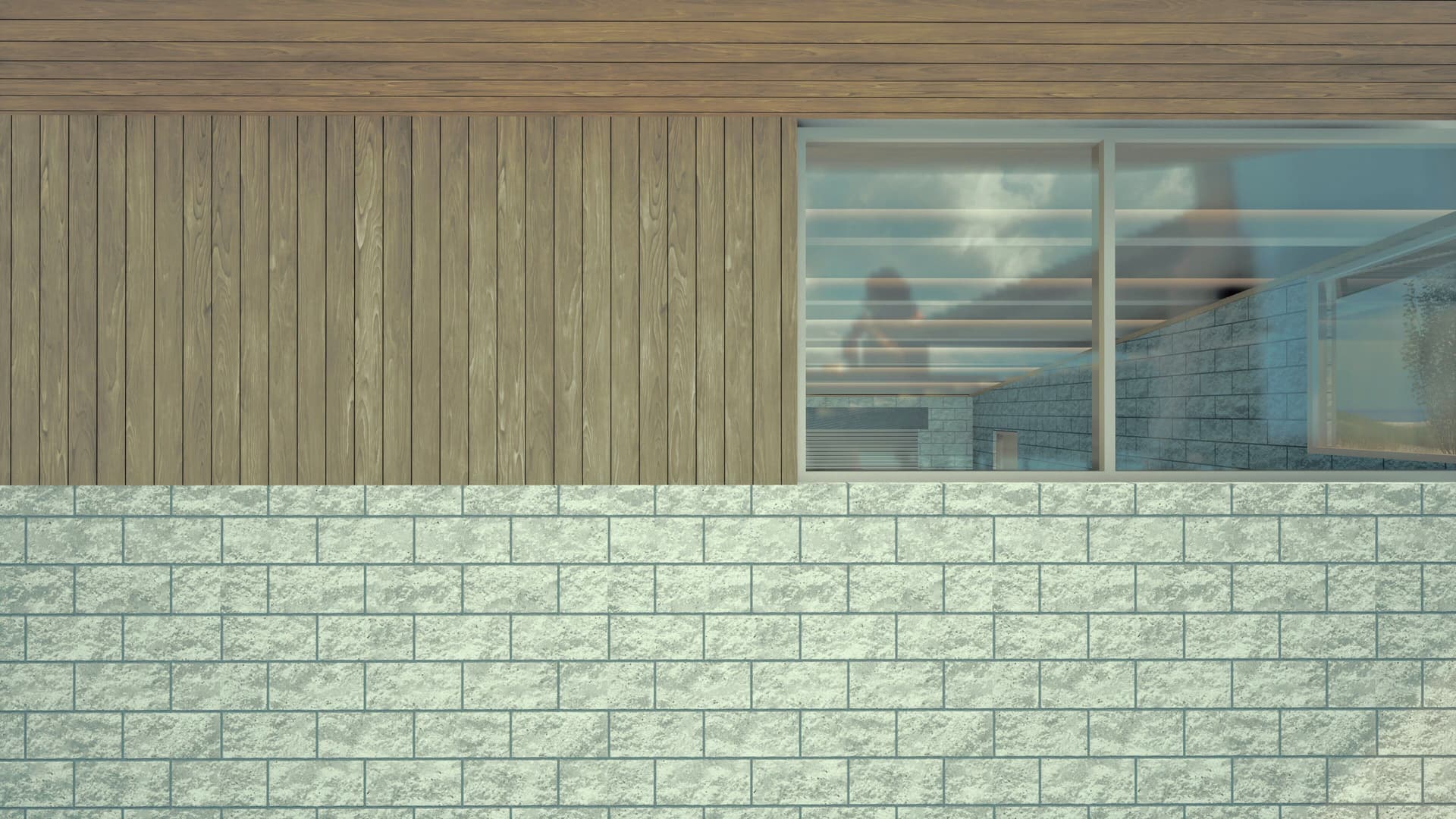
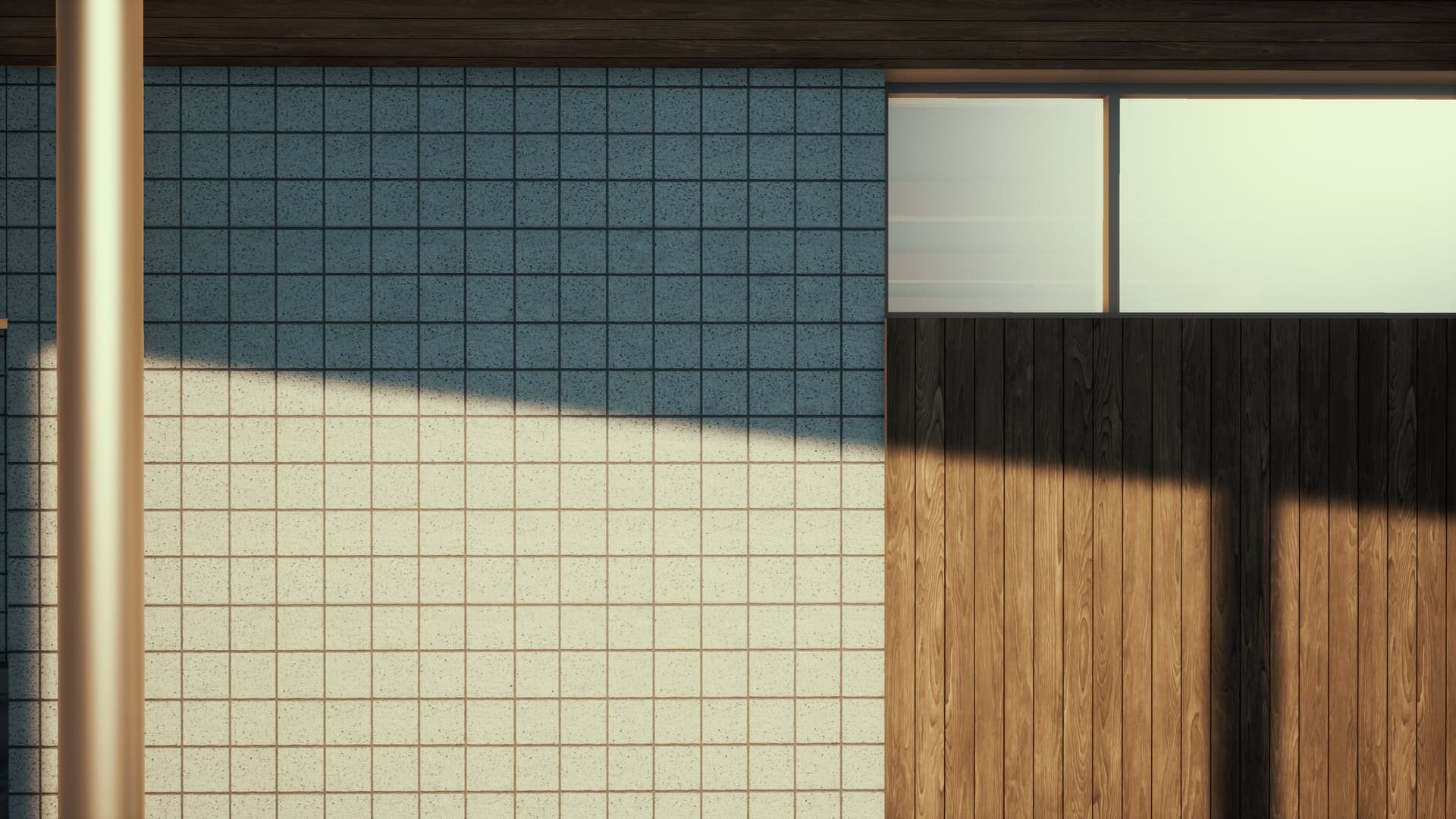
Concrete masonry units (CMU) became a key part of that conversation. On the restroom building, a ground-face smooth CMU was selected and laid out in an intentional 8x8 grid, an atypical format chosen to subtly reference the modernist form and materiality of the original structure.
On the adjacent DNR maintenance building, split-face masonry introduces a rougher, more raw texture that visually anchors the structure into the dunes signifying a sense of permanence. Both CMU selections were from Michigan-Certified Concrete, reinforcing a commitment to local sourcing and material responsibility, while also helping define the distinct identities of the two buildings.
Concrete plays a critical role beyond material expression. It allows the site to navigate challenging topography while remaining accessible to all users. Ramps are treated as primary connectors that guide visitors from parking to the beach while creating moments of rest and reflection along the way. Seating areas are intentionally nestled into the landscape, encouraging people to pause, observe, and engage with their surroundings.
Wood is introduced as a counterpoint to the masonry’s weight and permanence. Thermally modified ash is used for the soffits and ceilings where the roof plane folds inward, blurring the boundary between exterior and interior. The same material appears as accent cladding along the facade and is shaped into benches for visitors to pause and gather. Chosen for its dimensional stability, resistance to rot and insects, and ability to weather naturally, the wood will soften and silver over time, offering a quiet nod to the materials of the past and adding warmth to the public experience.
That same durability-driven mindset carries inside. Exterior materials extend inward, reinforcing the idea that this is not a building that separates inside from out. Weatherability, ease of cleaning, and long-term maintenance are just as important indoors as they are along the exterior facades. In the long term, these decisions mean the building is easy to care for, resilient in the face of harsh conditions, and welcoming to generations of park visitors. The materials will continue to age, soften, and settle into the landscape, reinforcing the relationship between structure and shoreline rather than competing with it.
The Muskegon State Park Beach House stands as a reminder that thoughtful material choices shape not just how a building looks, but how it performs, how it feels, and how it serves its community over time. We invite you to learn more about the project on our website and, if you find yourself along the lakeshore, to experience it in person.