How Design Creates and Enhances Culture
We often hear a version of the same question from business leaders, “How much design is really necessary for our space?”
It’s an understandable question, especially when a project is driven by schedule, budget, and operational needs. But the reality is that a building is never just a building. The spaces where people work, collaborate, and gather have a profound influence on company culture, productivity, and the experiences people associate with your organization. At MMA, we believe architecture and design are some of the most powerful tools a business can leverage to shape and express its culture.
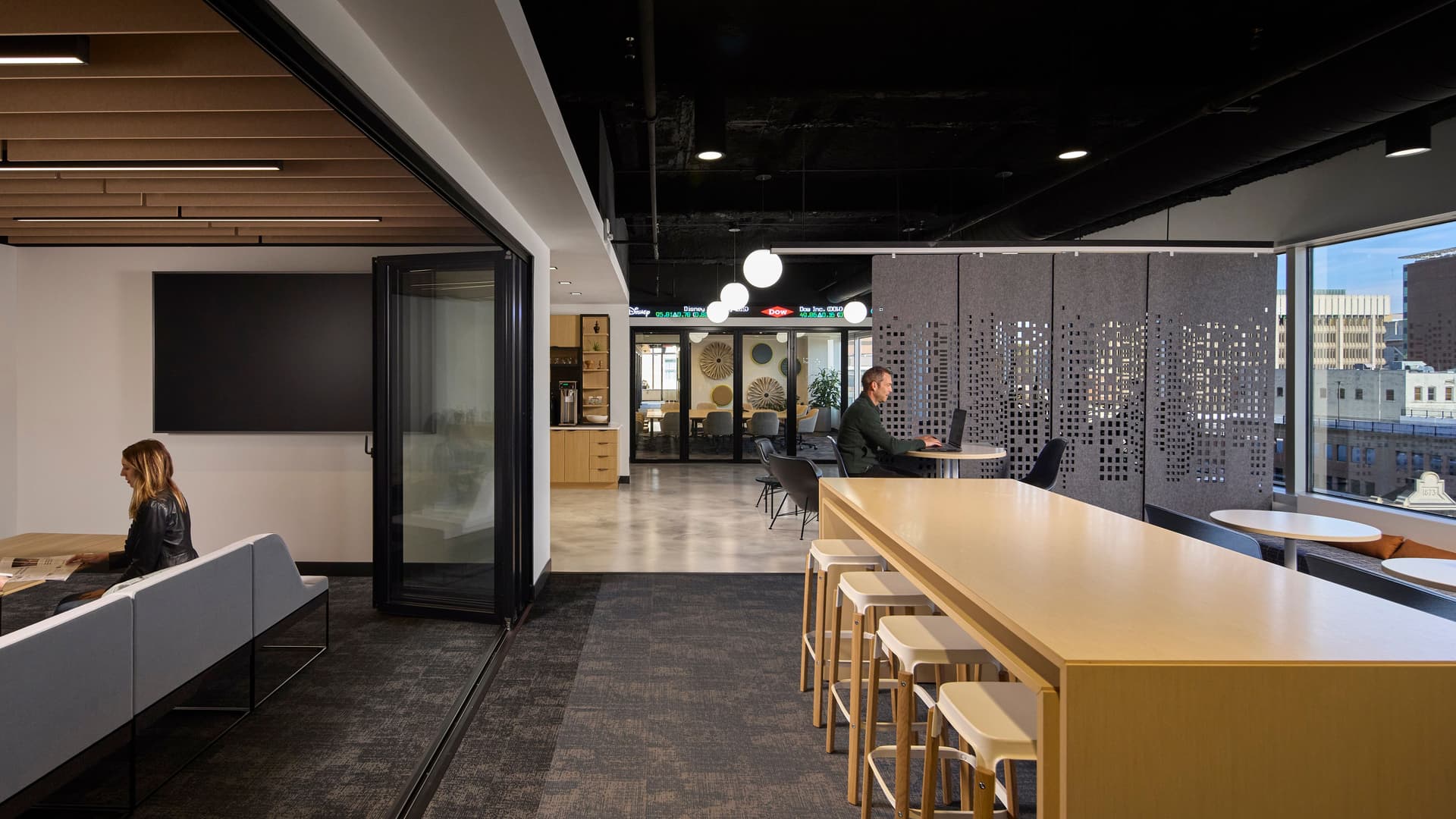
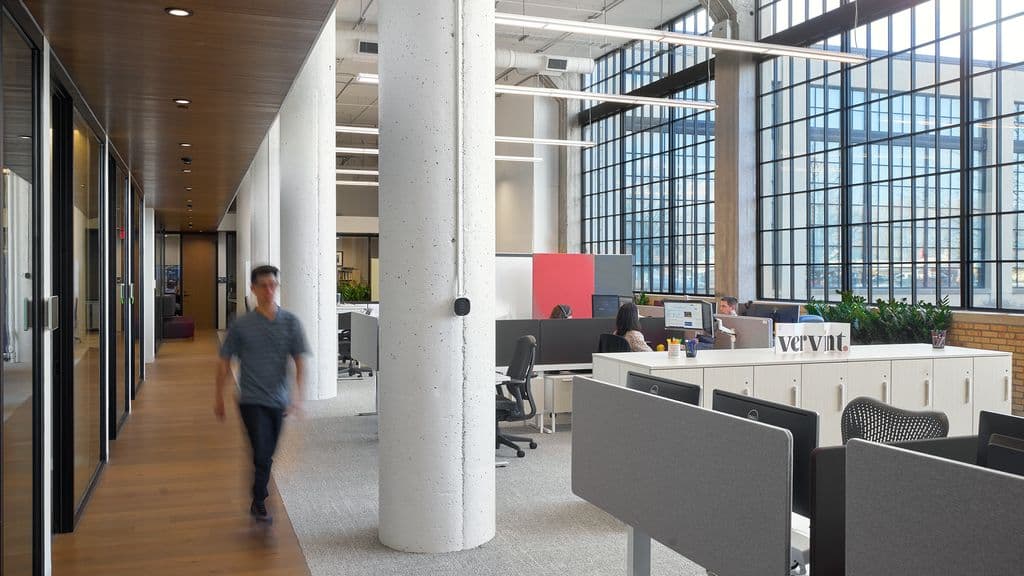
Every workplace tells a story. The layout, materials, and flow of a space communicate something about how an organization operates and what it values. These design decisions may seem subtle, but together they create environments that reinforce the culture within them. For companies that thrive on teamwork and innovation, like Mathison Mathison Architects, well-placed collaborative spaces can encourage spontaneous conversations and the exchange of ideas. For teams that require deep focus, quieter zones and thoughtful acoustic design create environments where people can concentrate without distraction. By carefully balancing these experiences, design supports a variety of working styles and helps organizations create places where people feel both productive and comfortable.
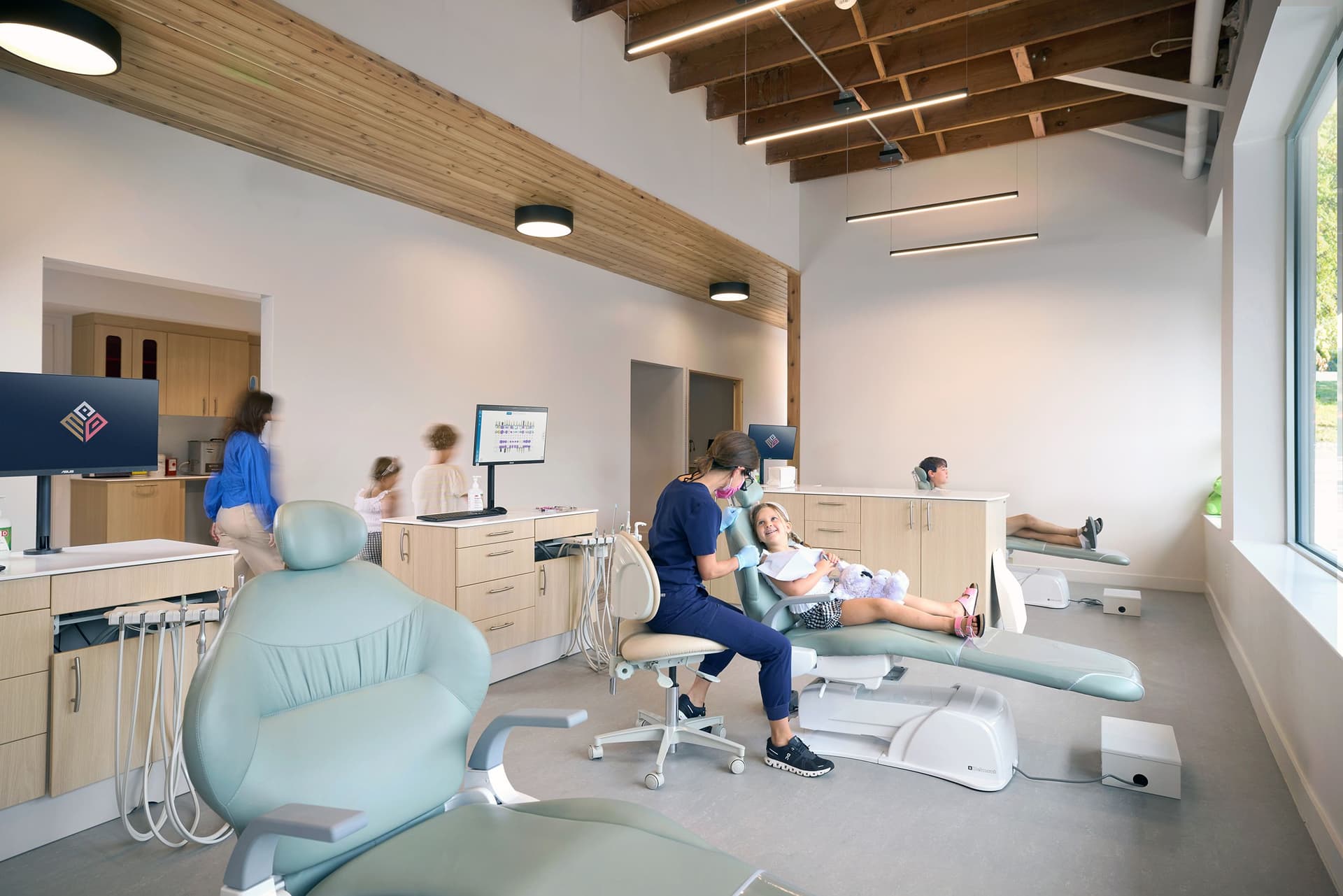
Equally important is the role architecture plays in establishing a sense of place. Businesses don’t exist in isolation; they are part of a larger community. Thoughtful design can strengthen that connection by responding to their surrounding neighborhood, local history, and landscape. When businesses, like our Eastown Pediatric Dentistry office, reflect their regional context and engage with the community around them, they foster pride among employees and create a more welcoming experience for visitors, clients, and partners. Over time, these environments become part of the identity of both the organization and the community it serves.
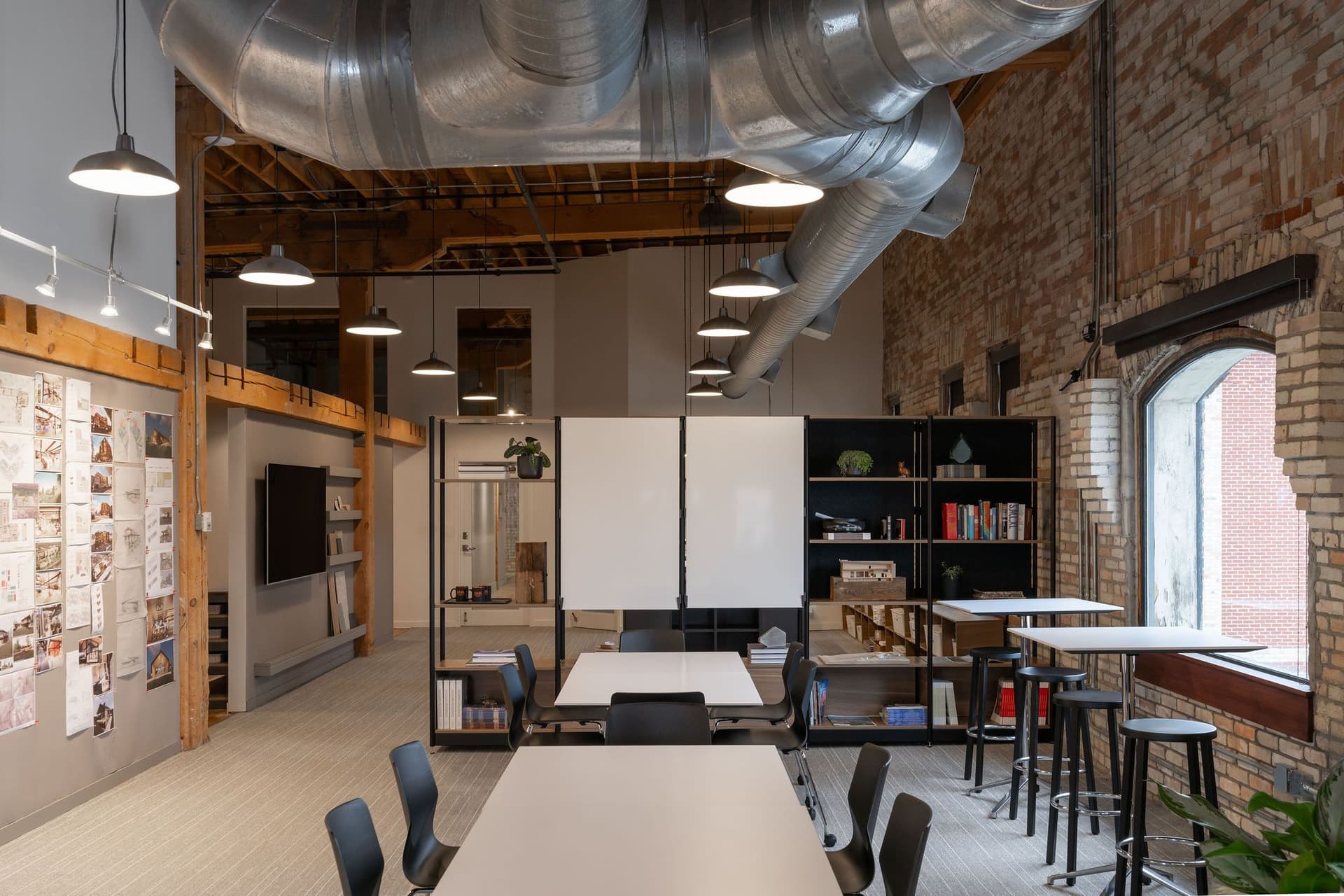
Design also brings creative problem solving to complex challenges. Every site, building type, and organization has its own set of constraints, whether it’s an unusual property, a historic structure, or evolving workplace needs. Rather than viewing these challenges as limitations, architects see them as opportunities to uncover creative solutions. By balancing vision with technical expertise, design can help transform constraints into features that strengthen the final result.
Finally, design plays a critical role in protecting and maximizing a company’s investment. Well-designed buildings are more efficient to construct, easier to navigate, and better able to adapt over time as organizations evolve. Architects and interior designers guide clients through regulatory requirements, building systems, and material selections to ensure that projects perform well both today and in the future.
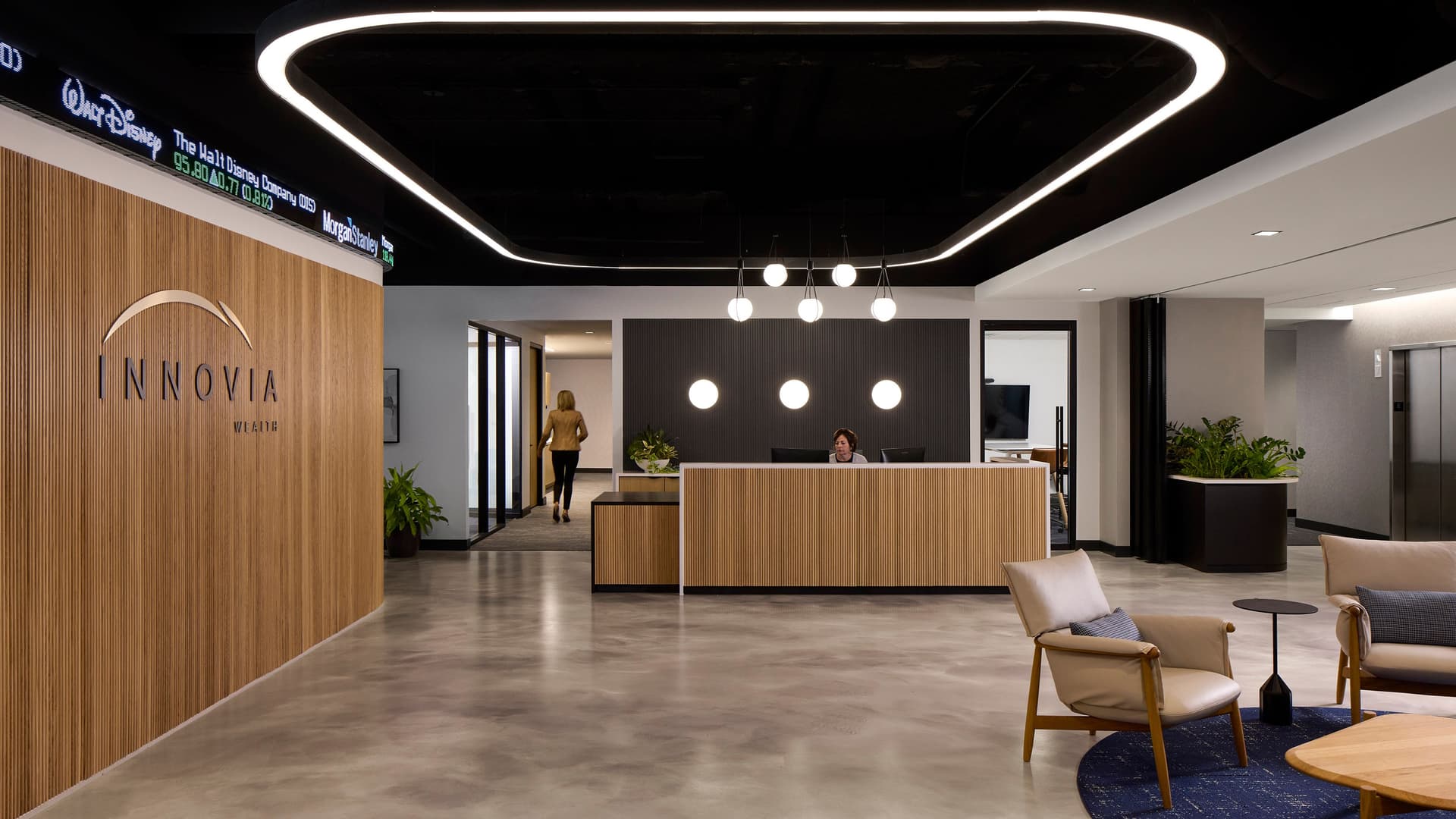
This is where the value of working with an architect and interior designer becomes clear. Anyone can construct a building that functions at a basic level, but designing a space that supports your organization’s long-term vision requires a broader perspective. Architects and designers approach projects holistically, considering how form, function, materials, and human experience work together as a complete environment. The goal isn’t just to create something that looks beautiful, but to design spaces that perform well, age gracefully, and continue to serve the people who rely on them.
At its best, architecture and design become the physical framework for how a company works, collaborates, and grows. It is the backdrop for daily routines, big ideas, and meaningful connections. When thoughtfully designed, a workplace doesn’t simply house a business, it strengthens its culture and helps shape the future of the organization itself.