From Intern to Employee; a Conversation with Ian Wardowski
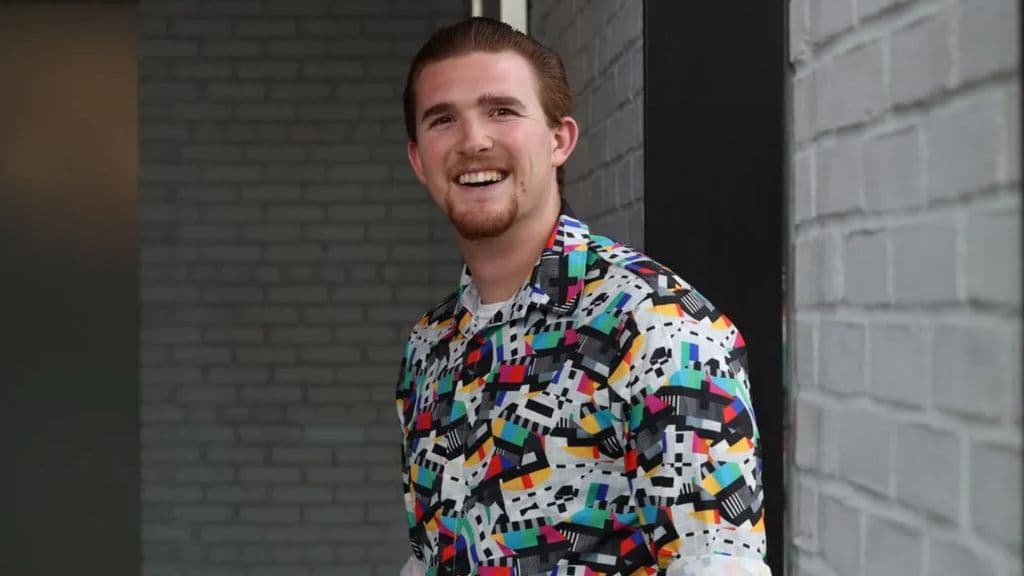
We sat down with MMA Architectural Designer, Ian Wardowski, to discuss his journey from summer intern to full-time employee.
1. What initially drew you to apply for an internship at MMA?
I was initially drawn to applying for an internship at MMA because of my strong interest in high-performance residential design, which is among the project types the firm is known for. Having graduated from Ferris State University and Kendall College of Art and Design, I was very familiar with the Grand Rapids architecture scene and knew that MMA was known for being involved in the community and producing excellent work.I had experience at a very large firm, so I went from being one of 200, to one of 20, and I quickly learned that I preferred the smaller firm culture.
2. How does interning at a large firm differ from interning at a smaller firm?
I appreciate knowing and forming relationships with everyone in the office. I’ve had a chance to work with almost every colleague in the office, and even those I haven’t, I’m still comfortable approaching them. MMA fosters a collaborative firm culture. Communicating and designing with one another leads to some really engaging and successful projects. Our team, that I have the pleasure of working with daily, all share the same goals and values, trust one another, and adapt to each other’s styles. We come together for a common vision, bringing diverse ideas and personalities to the table.
3. What kinds of projects or tasks did you work on and which of those helped you learn the most at your internship?
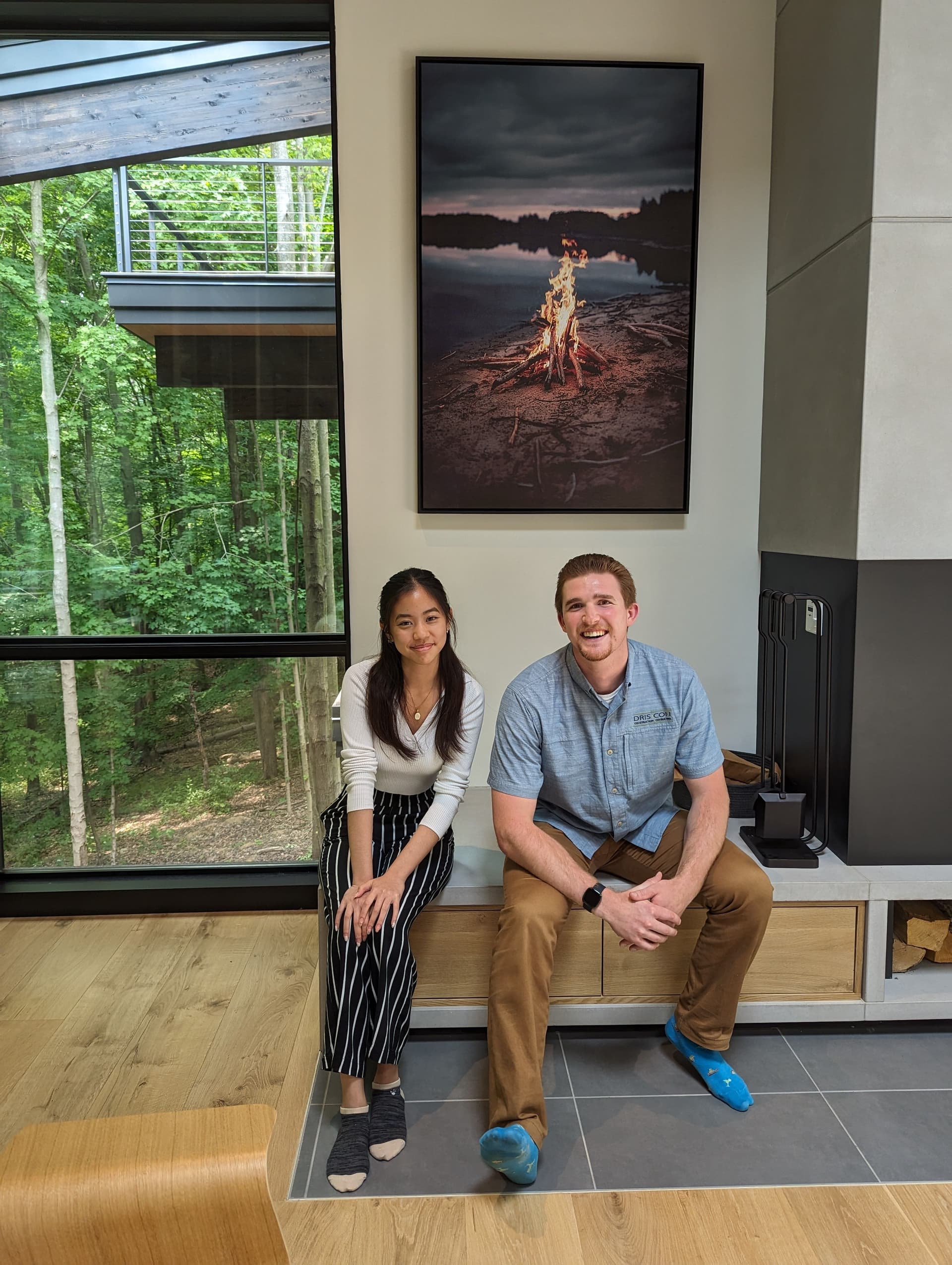
Being a grad school intern, I was already familiar with the relevant software and knew how to produce and contribute to projects. Because of this, I was able to seamlessly provide support for real projects and project teams rather than using the internship to further develop my skills in different software programs. I found it so valuable to be paired with different architects on the team, to sit in on client calls and meetings, and to learn how collaborative conversations informed project progress. I was able to develop my own voice through proposing ideas and directions for the projects I was part of.
4. How did this work differ from your school work?
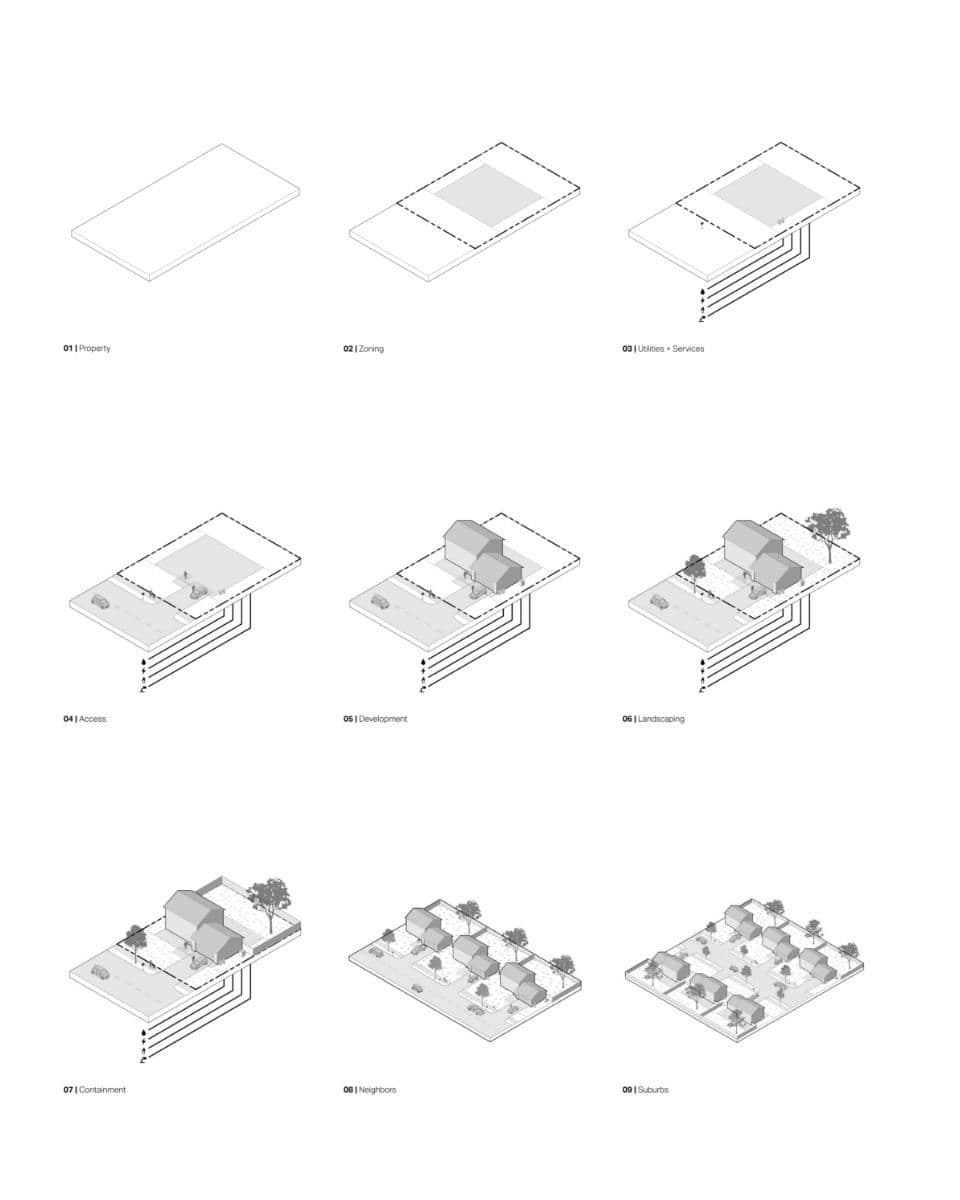
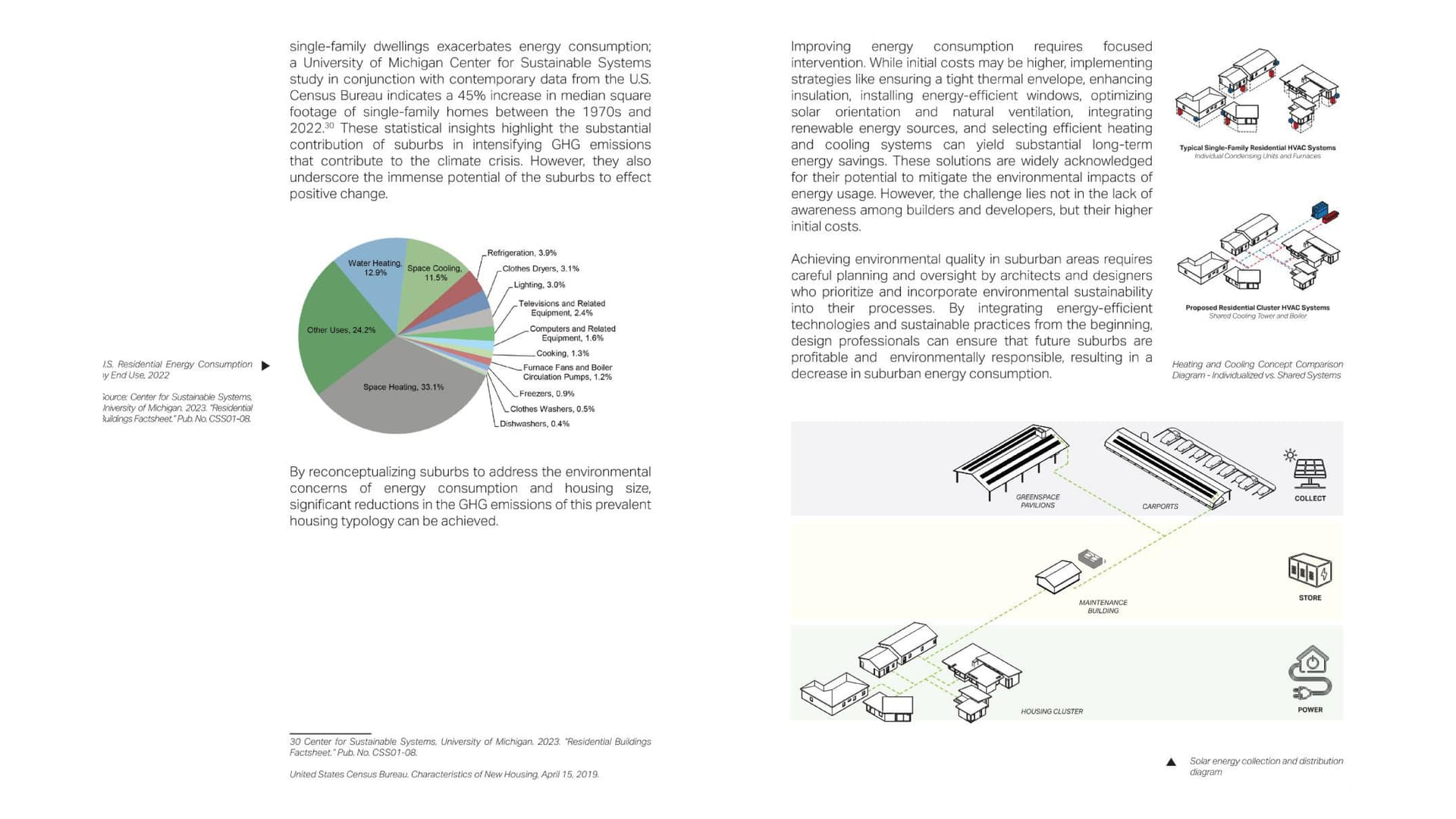
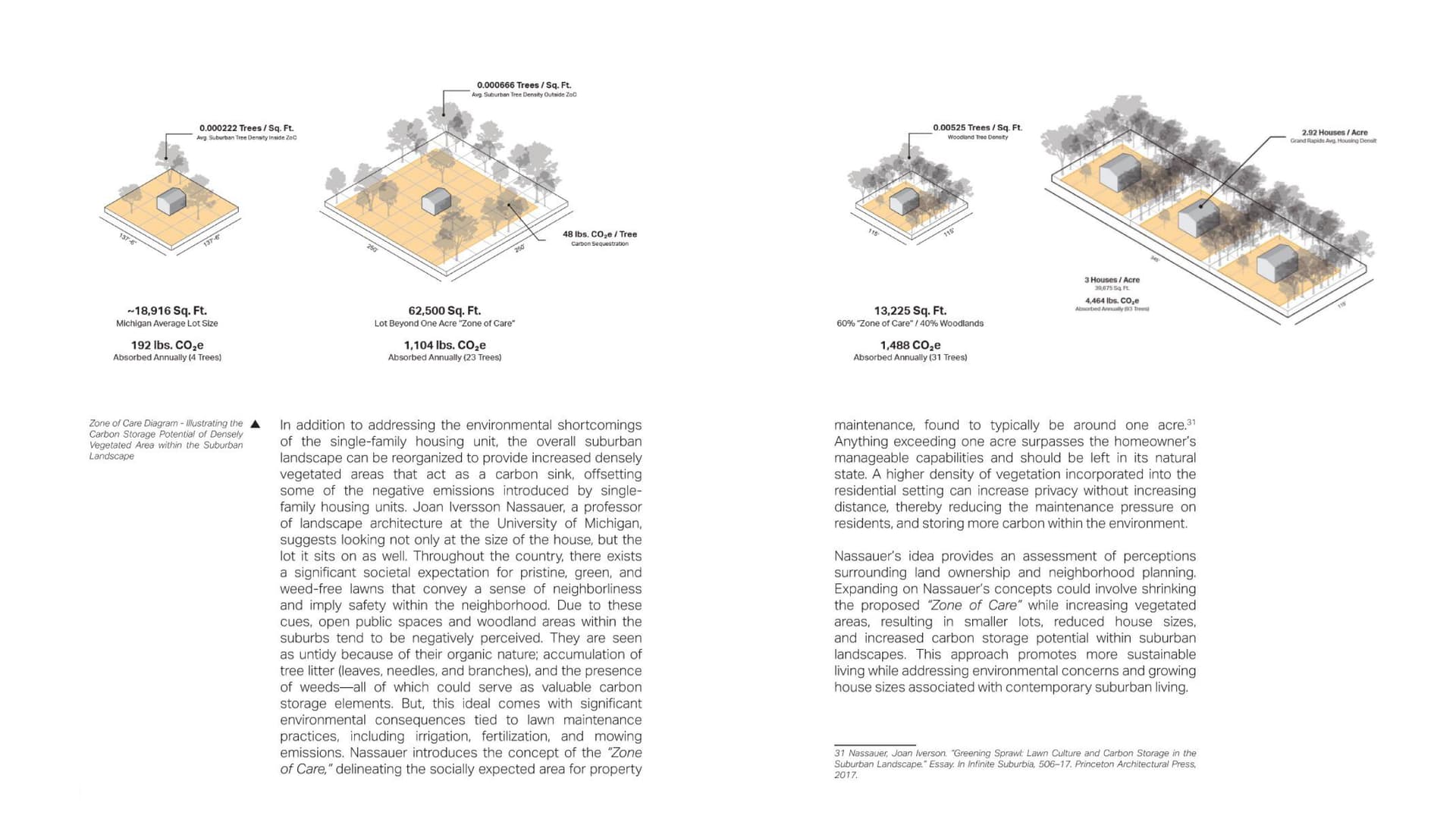
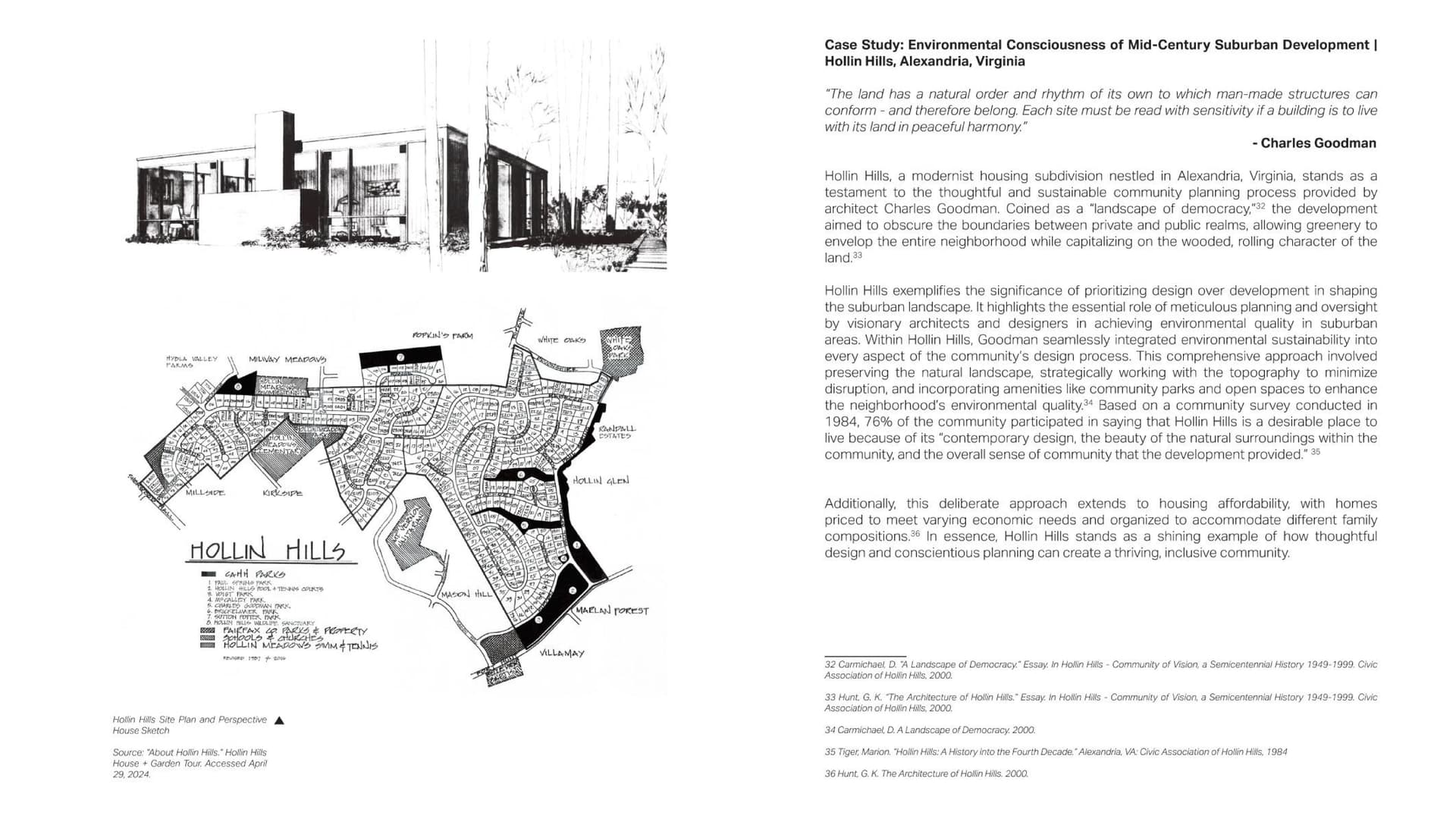
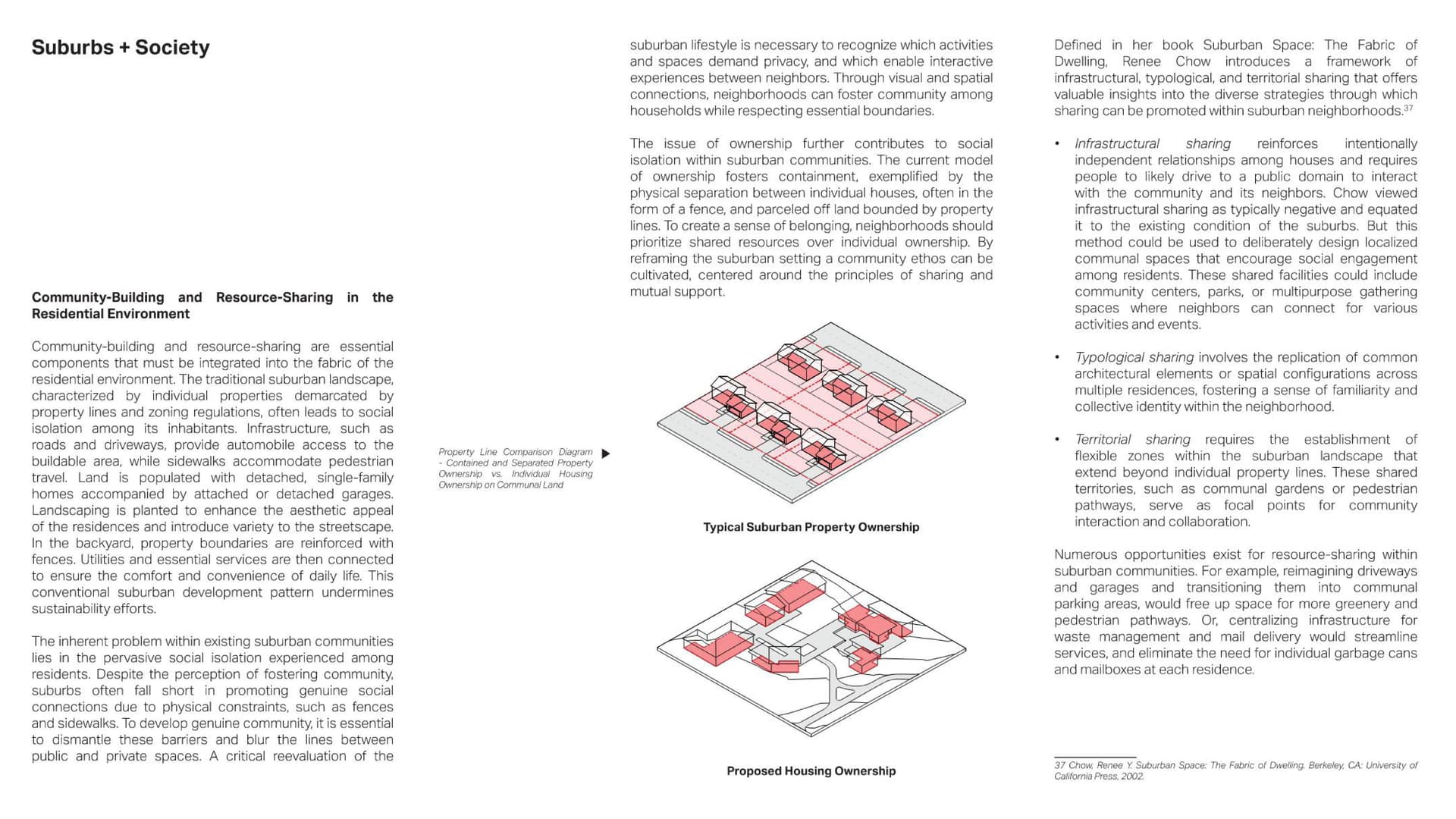
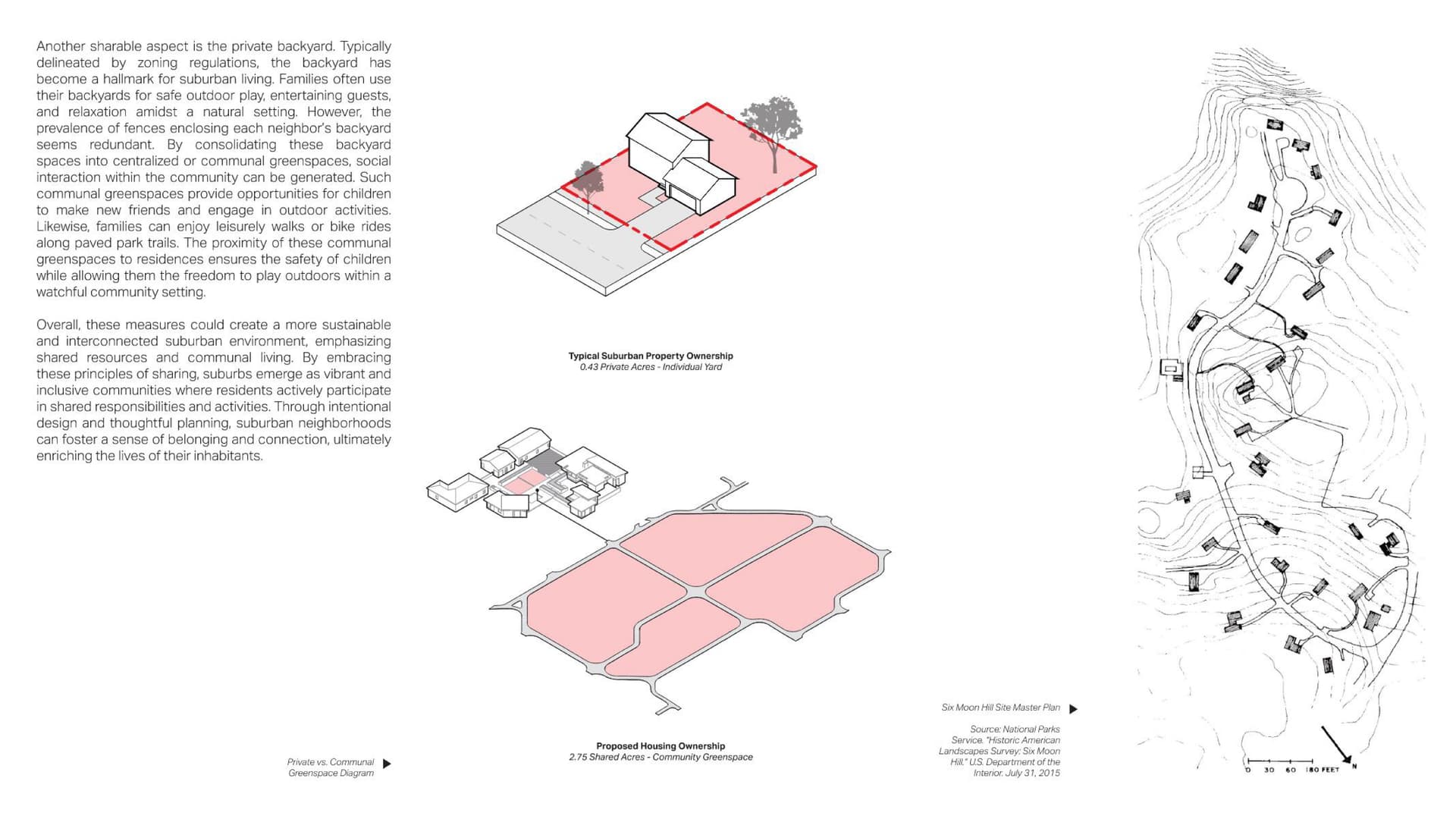
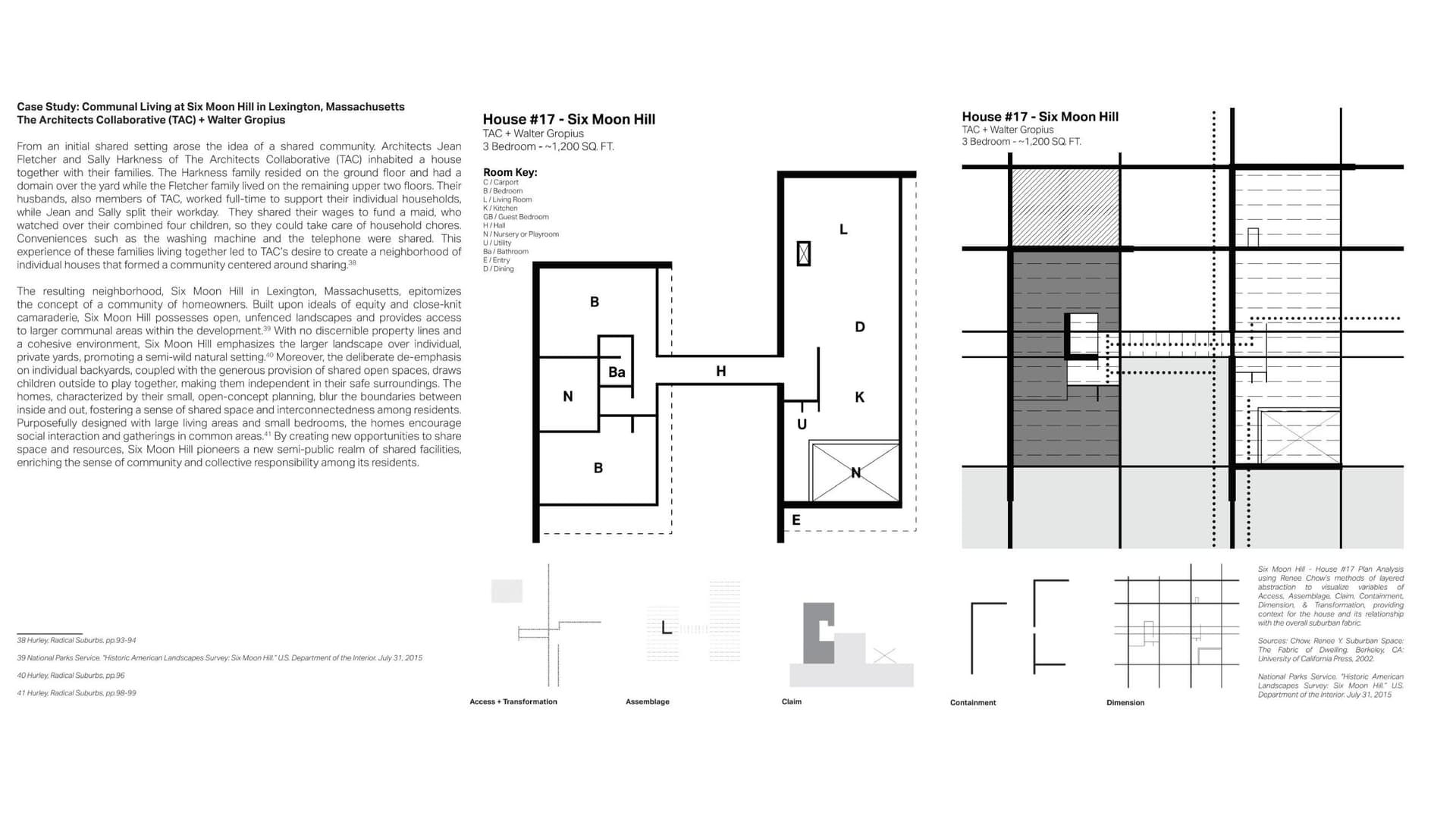
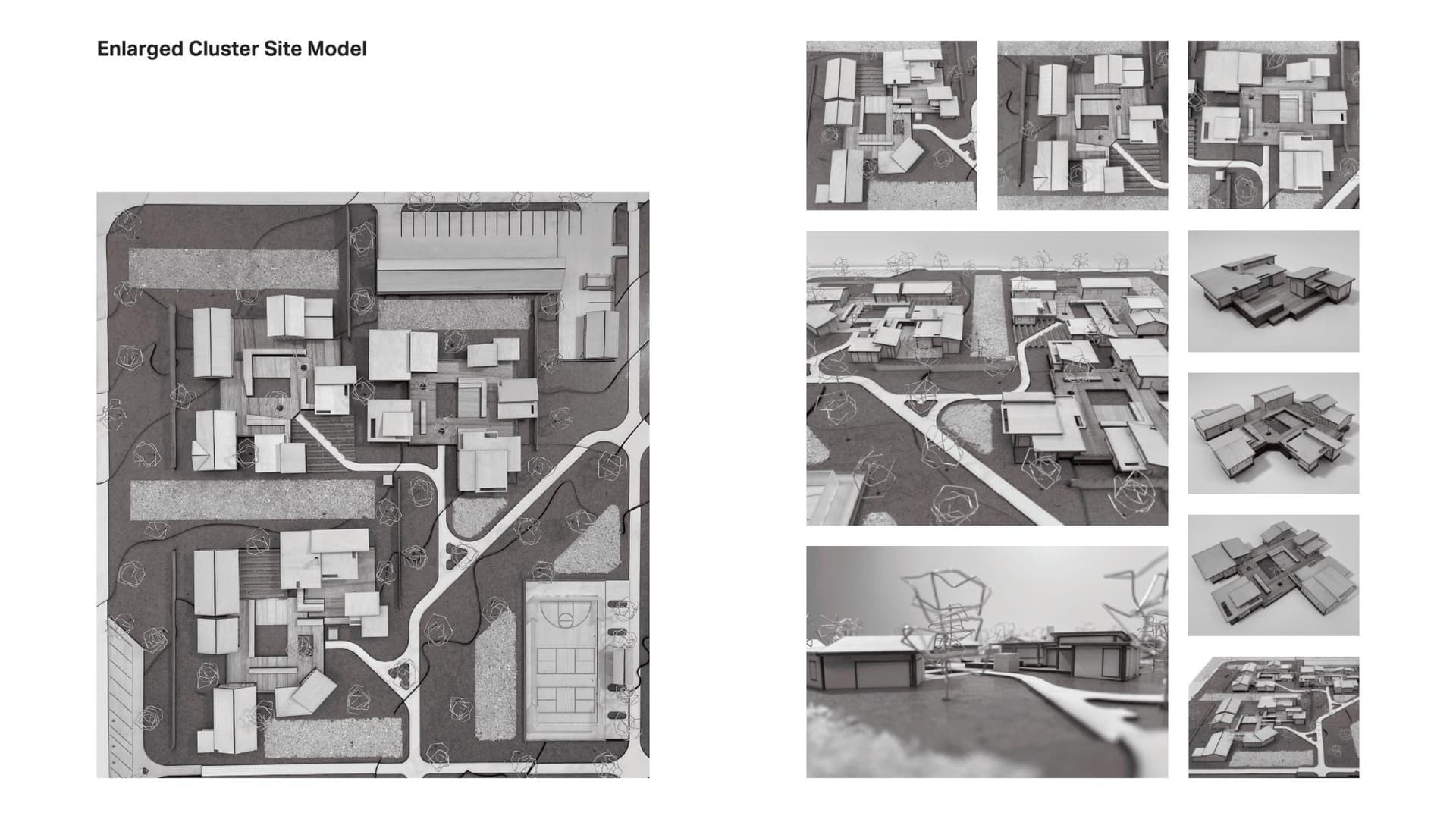
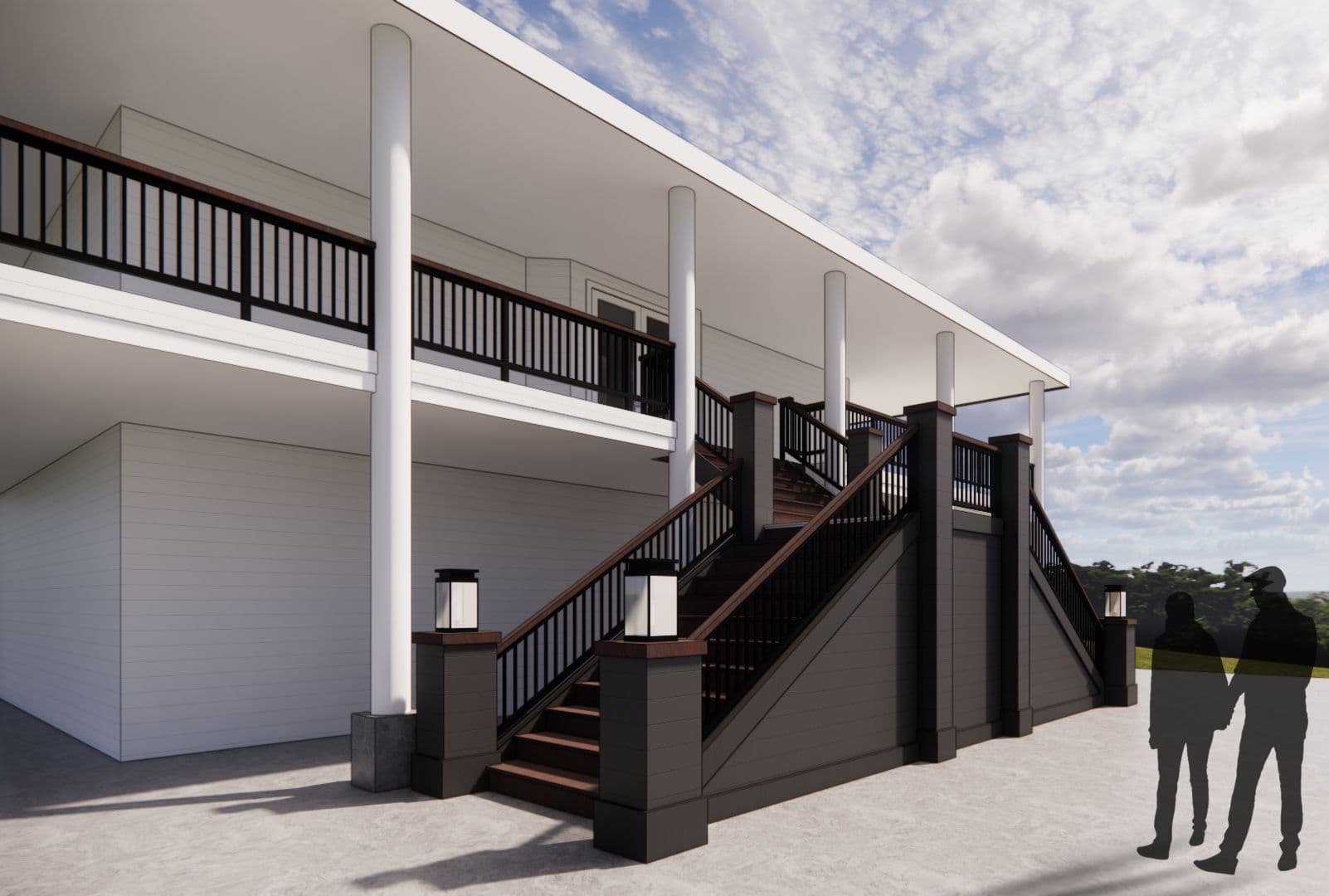
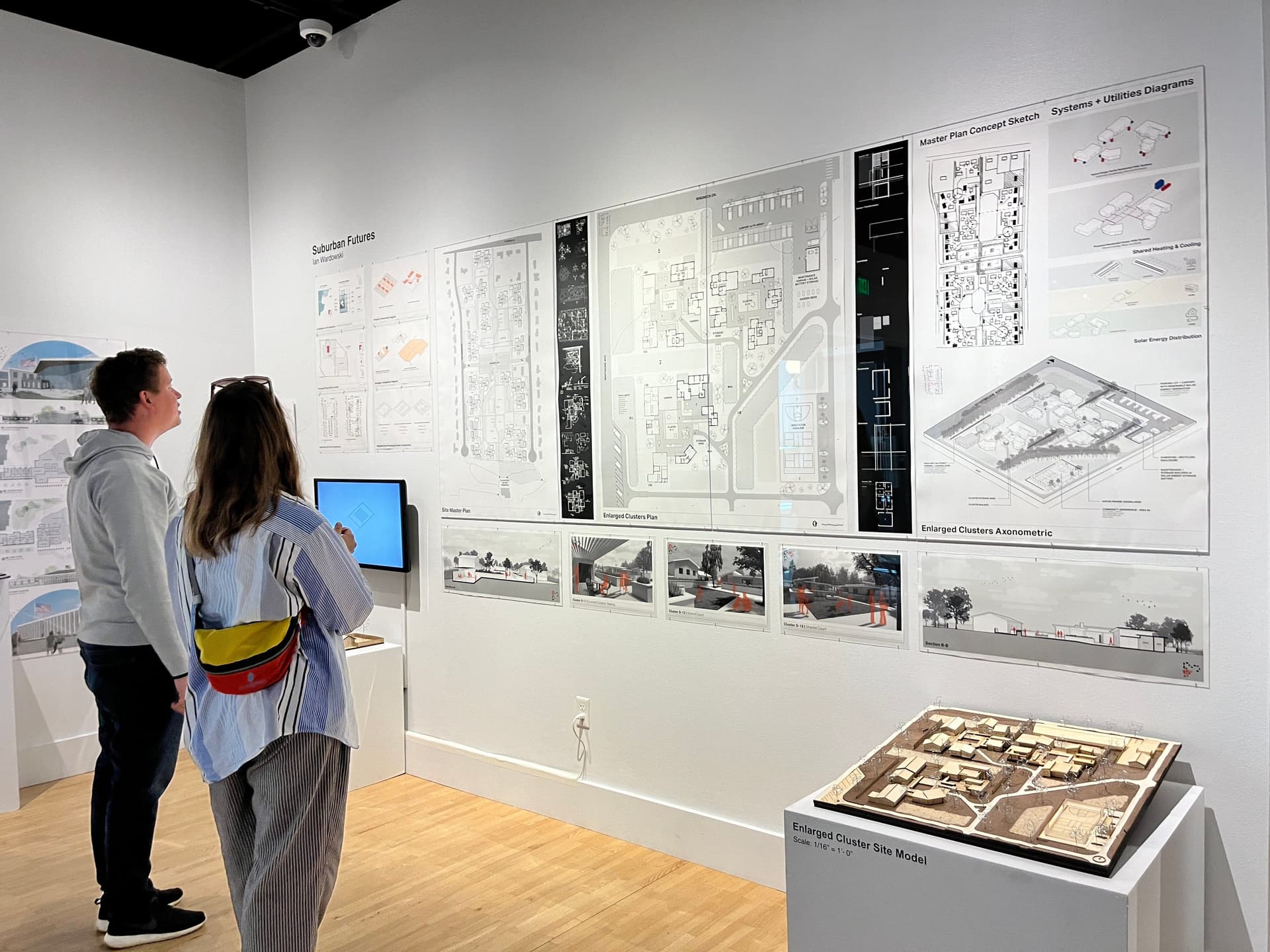
In school, projects are conceptual, which allows for a more open-ended process without the constraints of a fee or budget. This gave me unlimited time to explore through model making and developing detailed diagrams, something I really enjoy. In professional practice, however, projects are shaped by real-world constraints such as budgets and deadlines, which have given me opportunities to learn how to prioritize my efforts to find the best possible results.
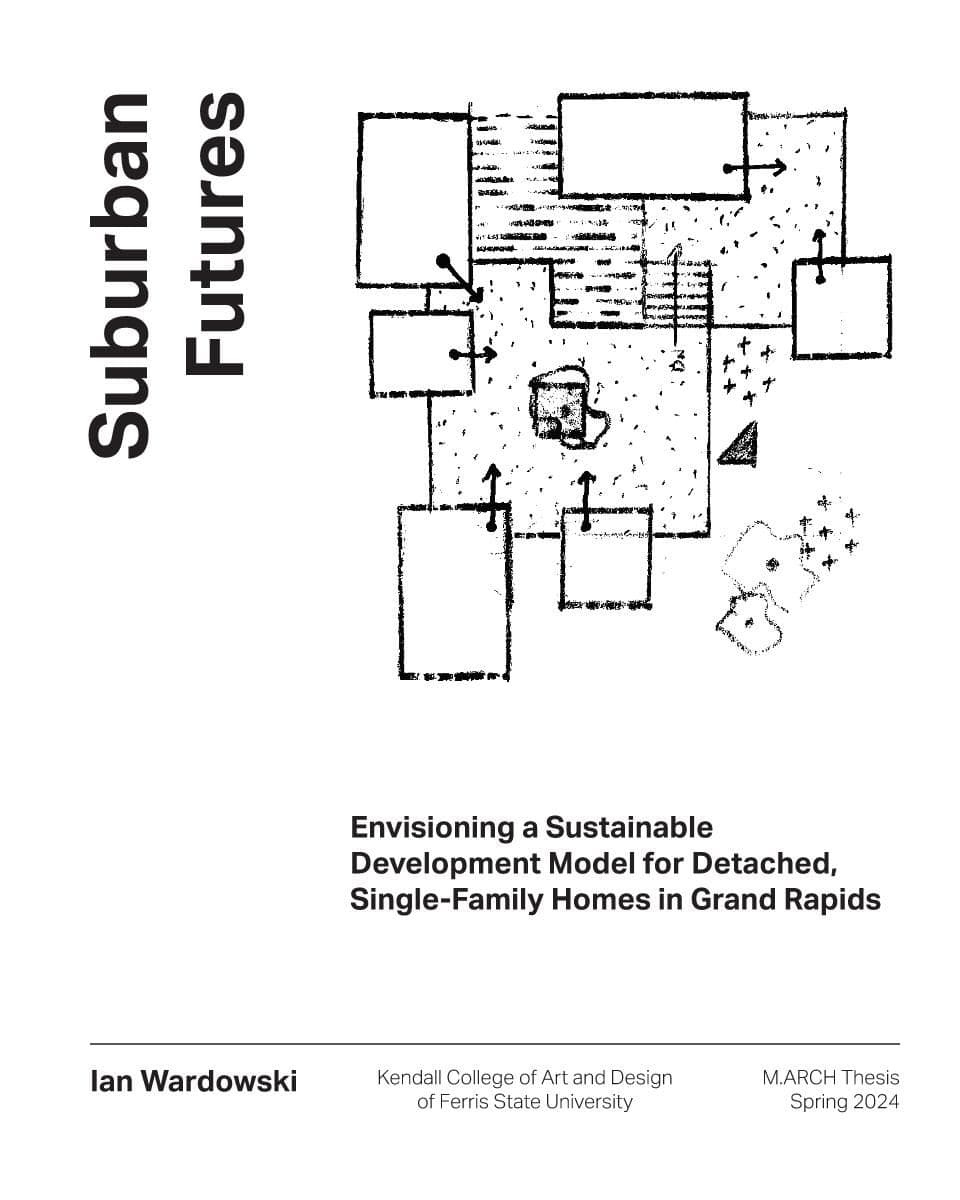
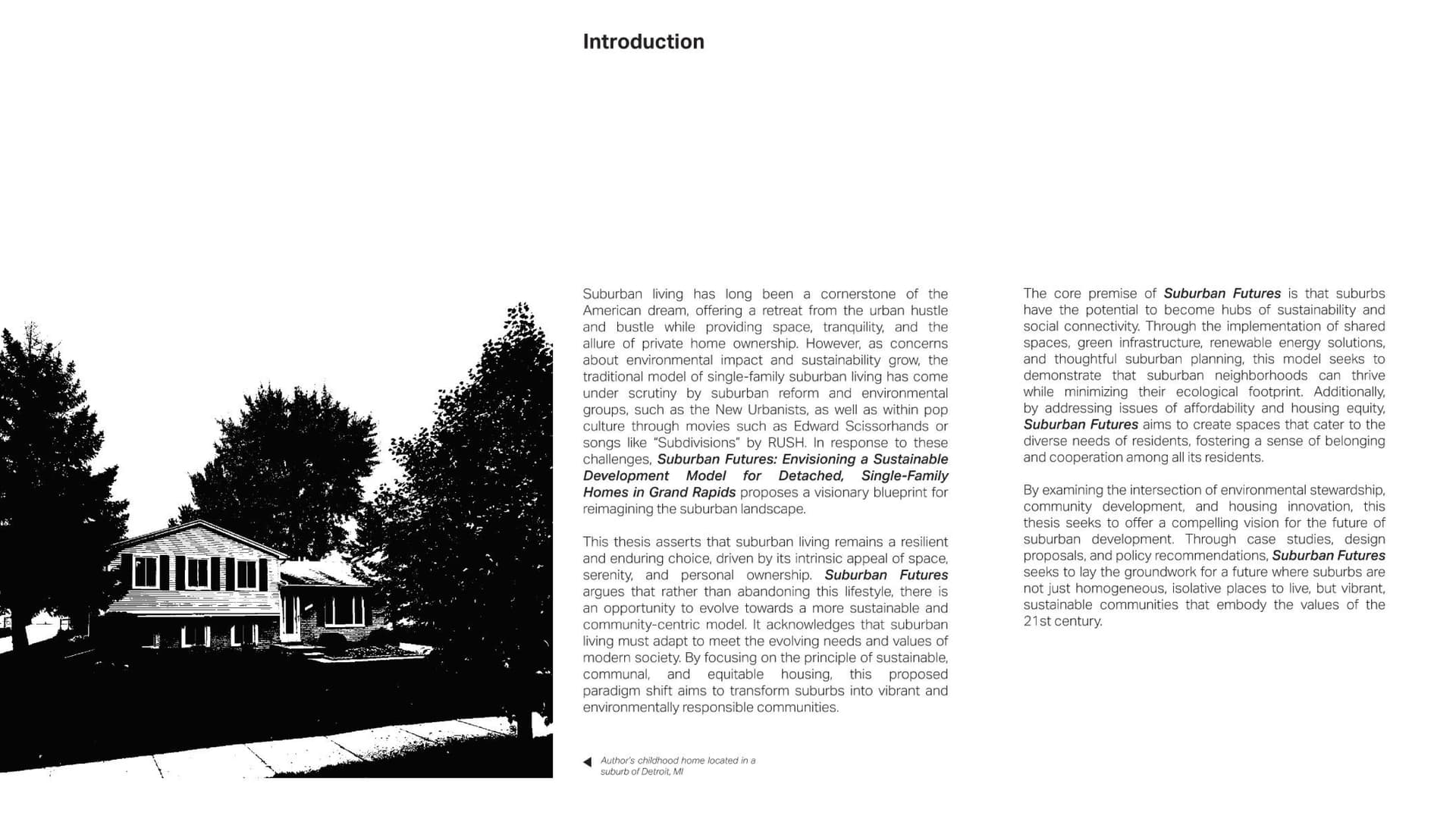
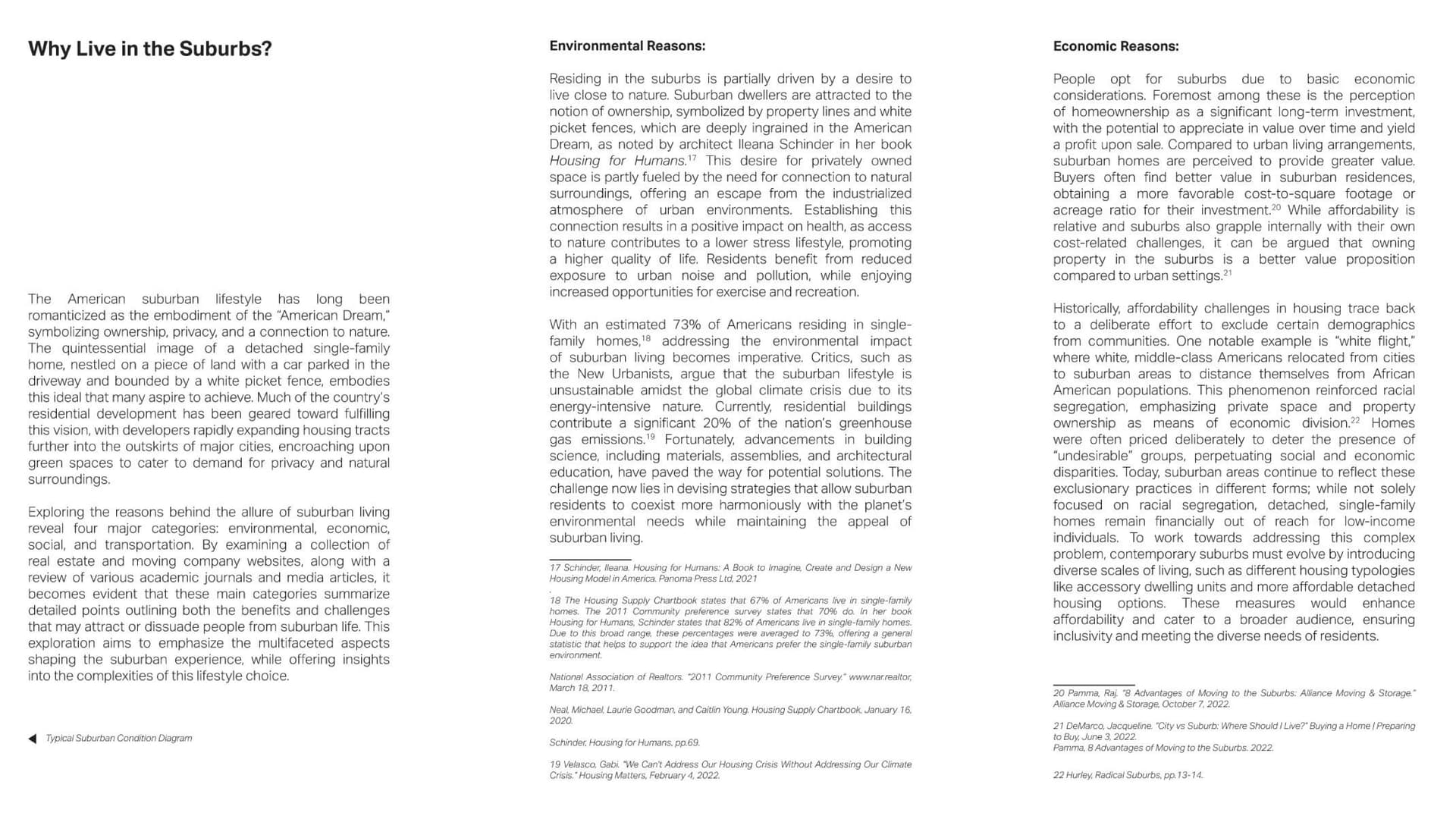
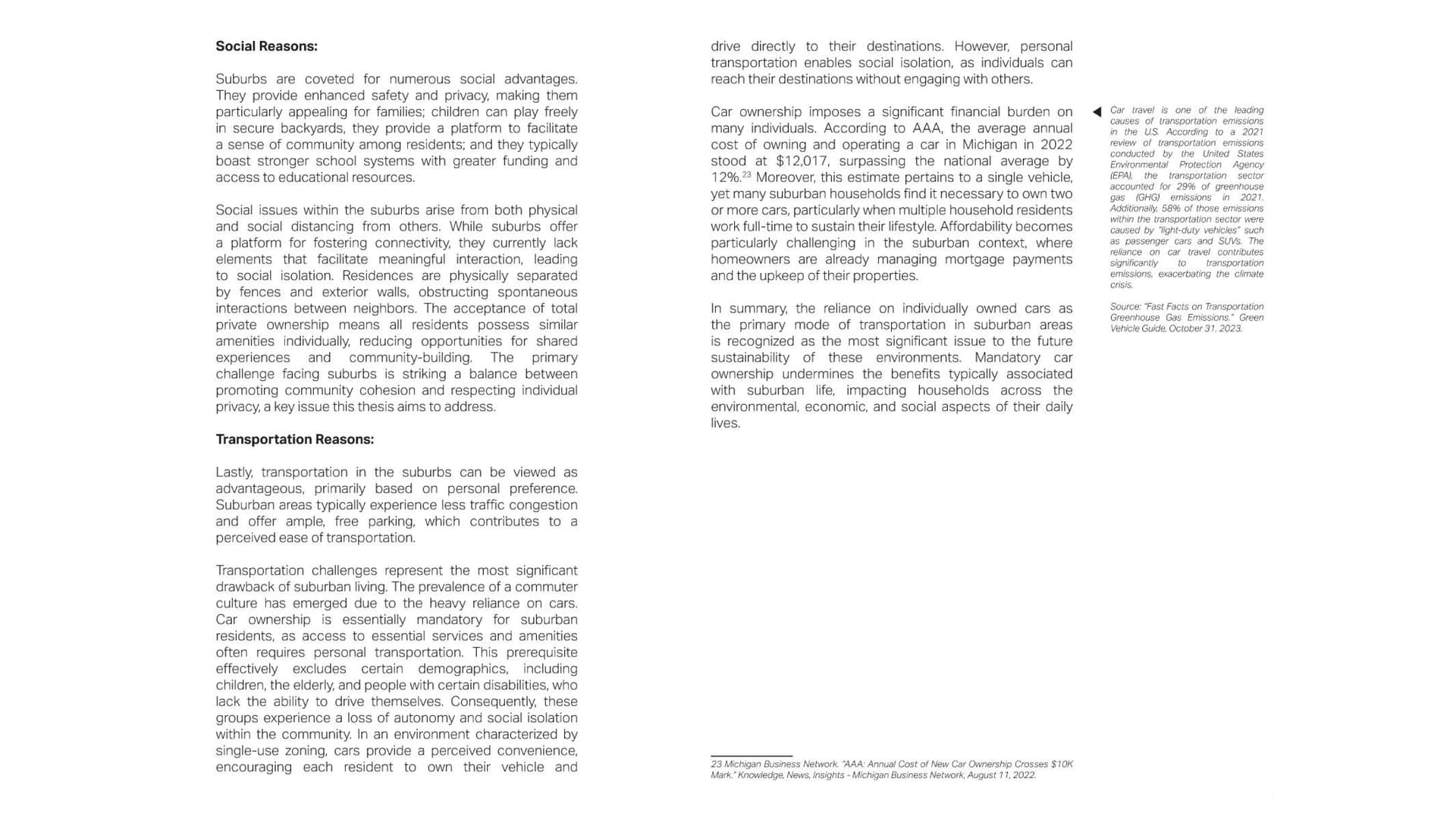
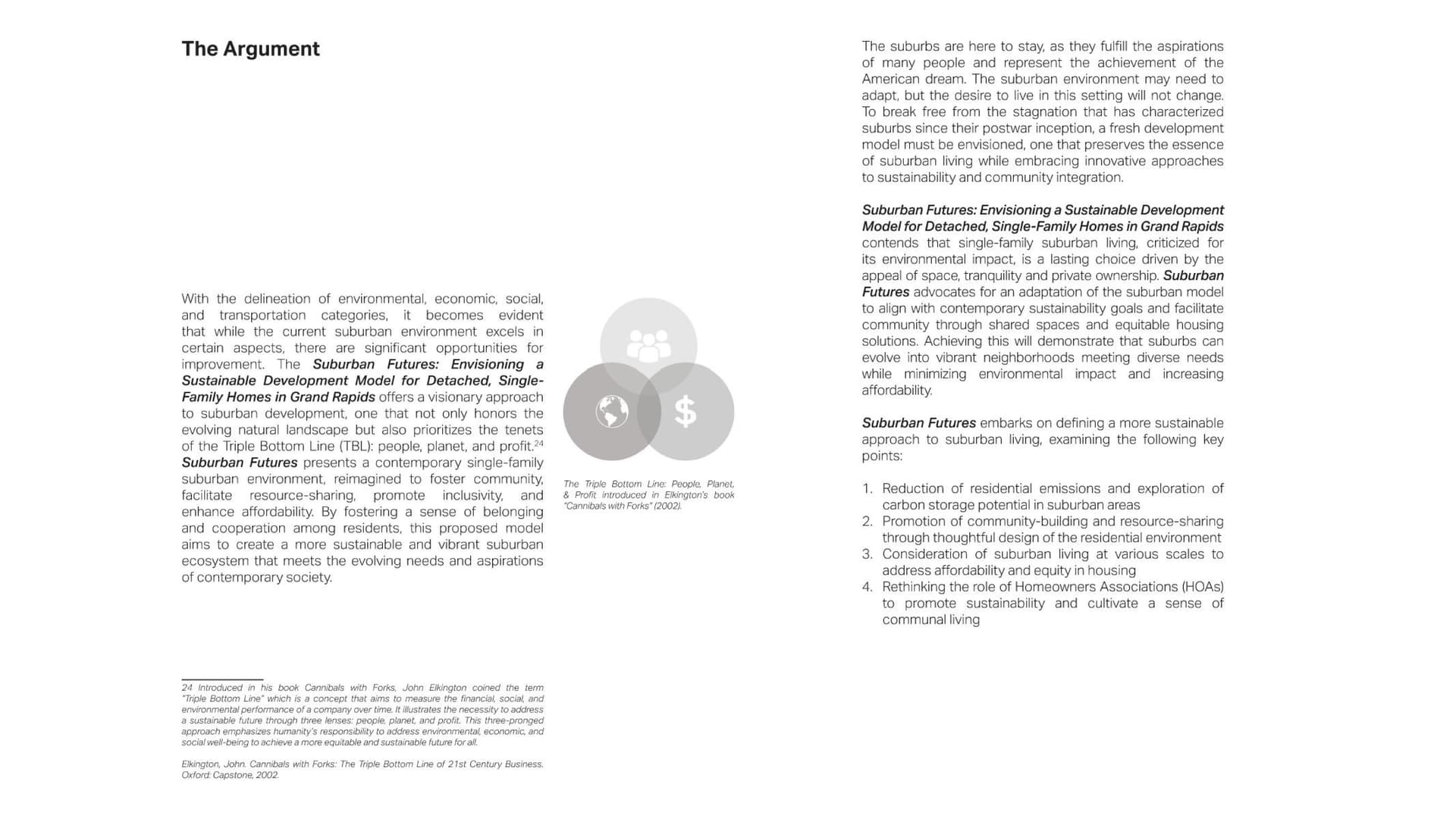
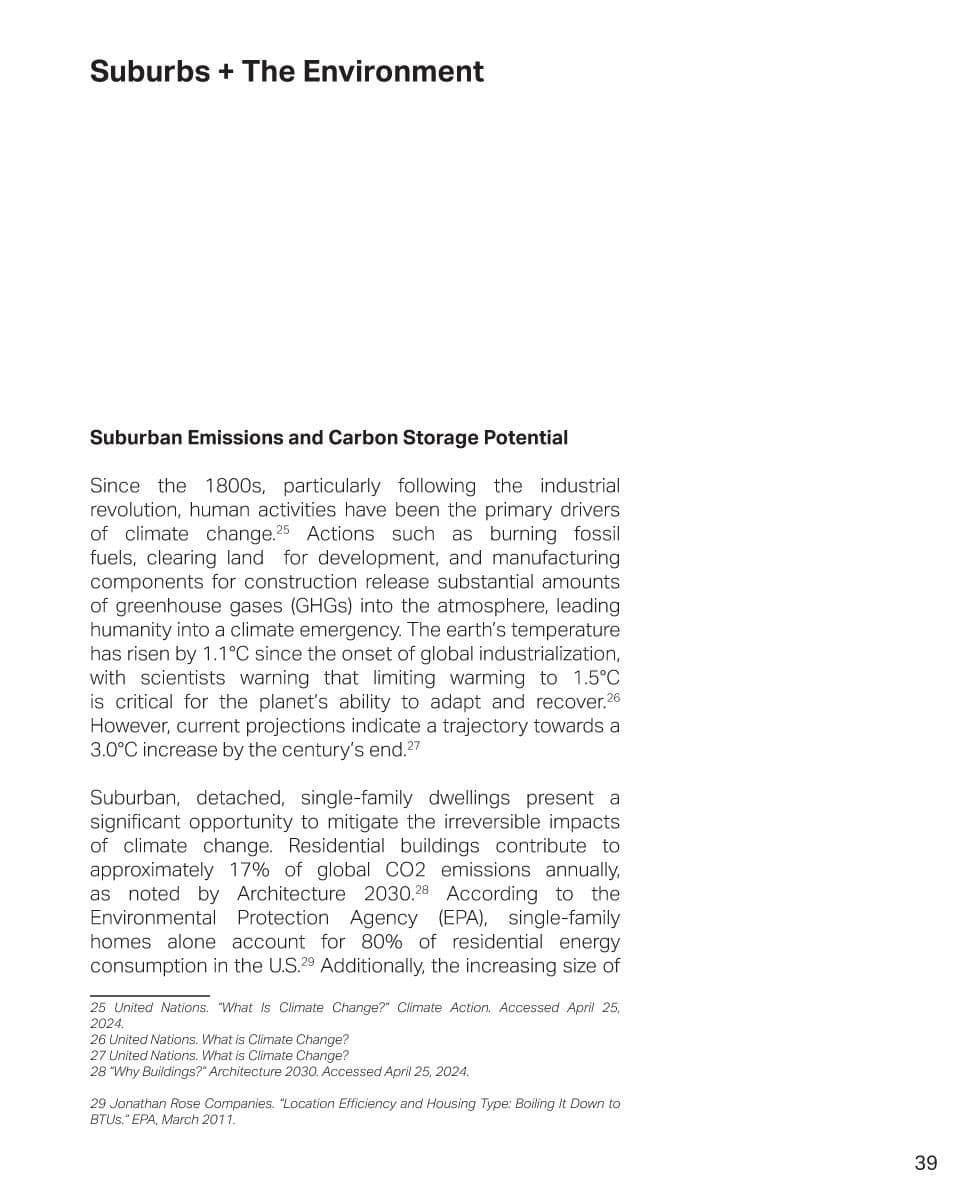
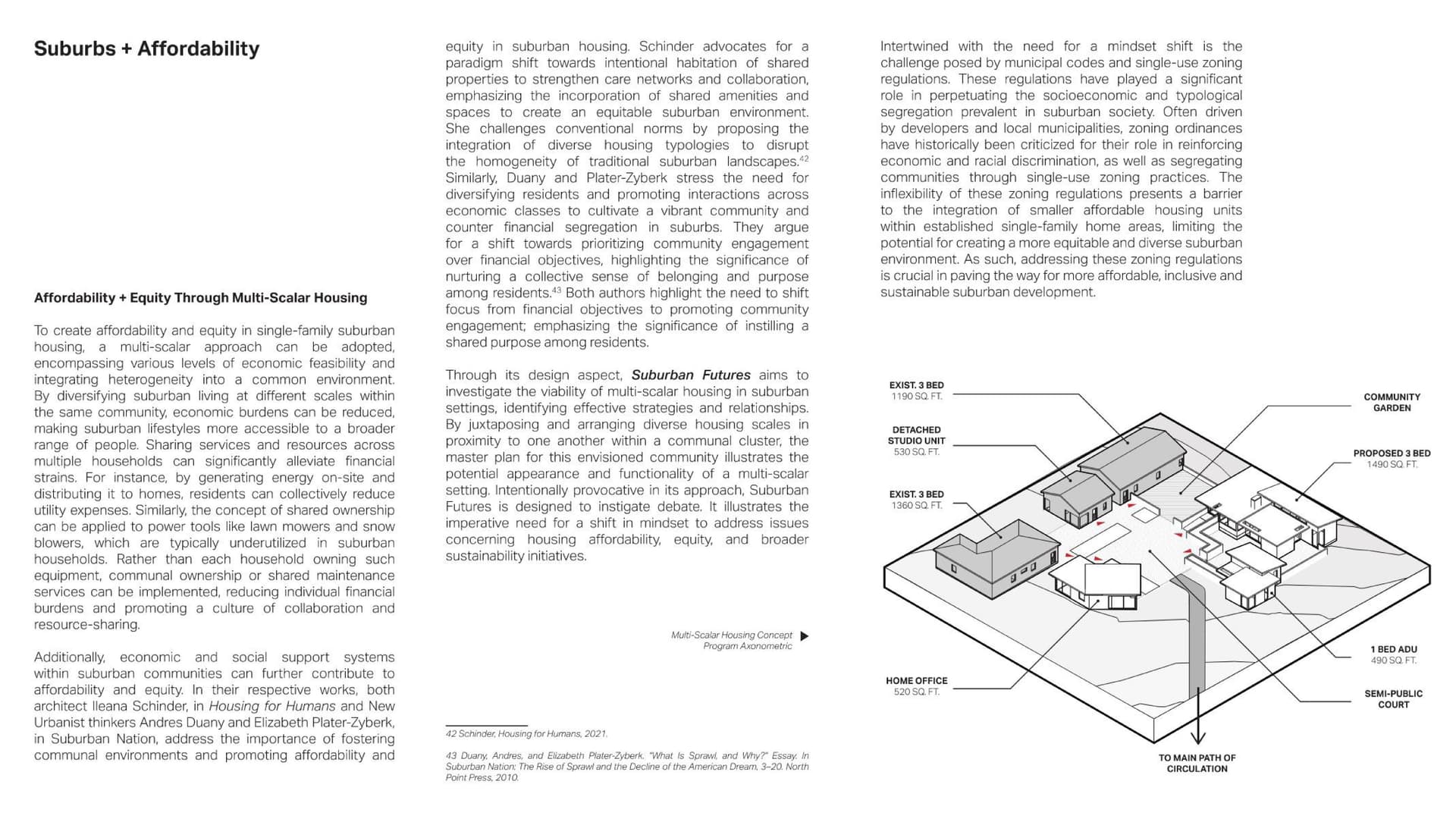
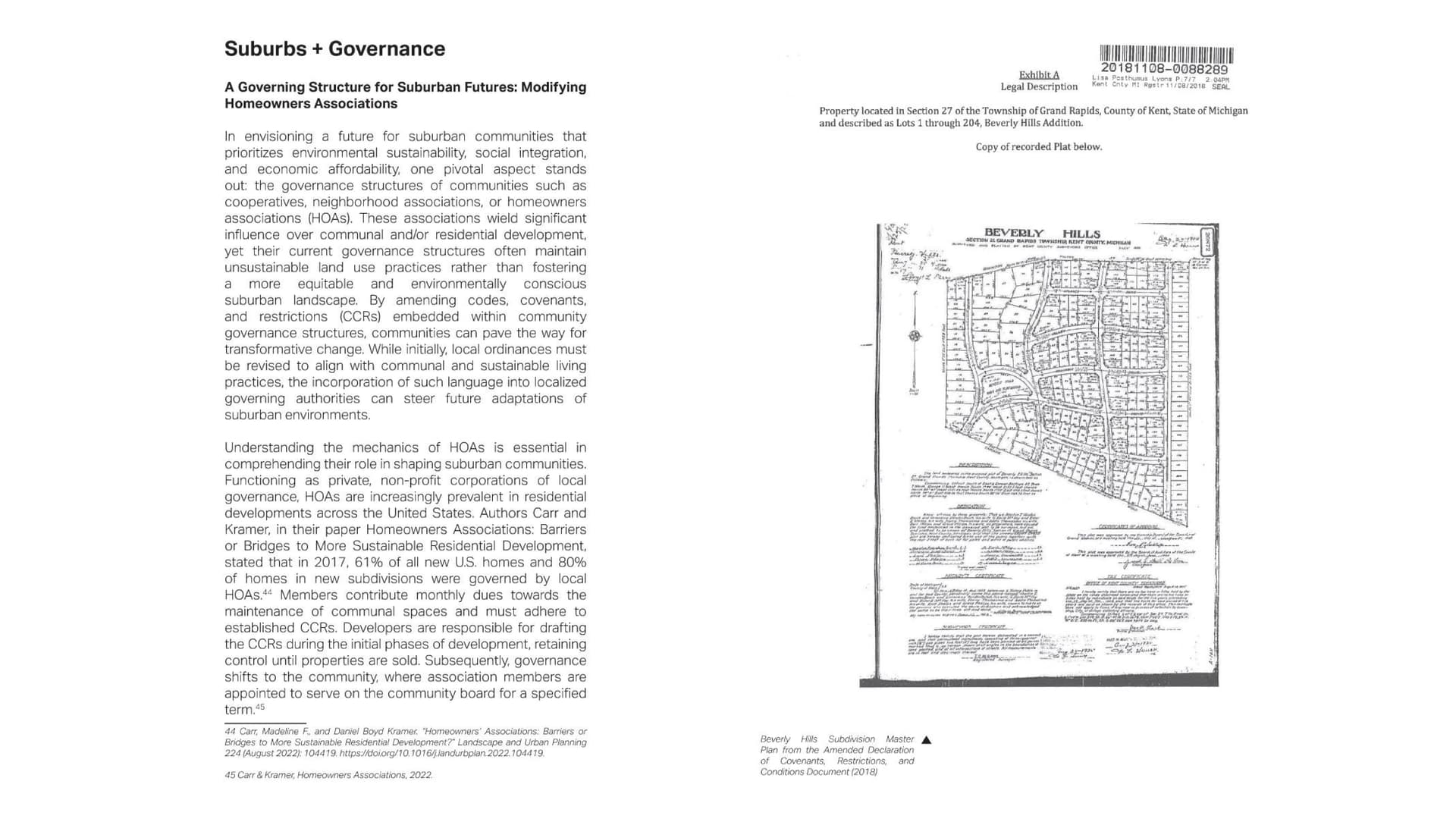
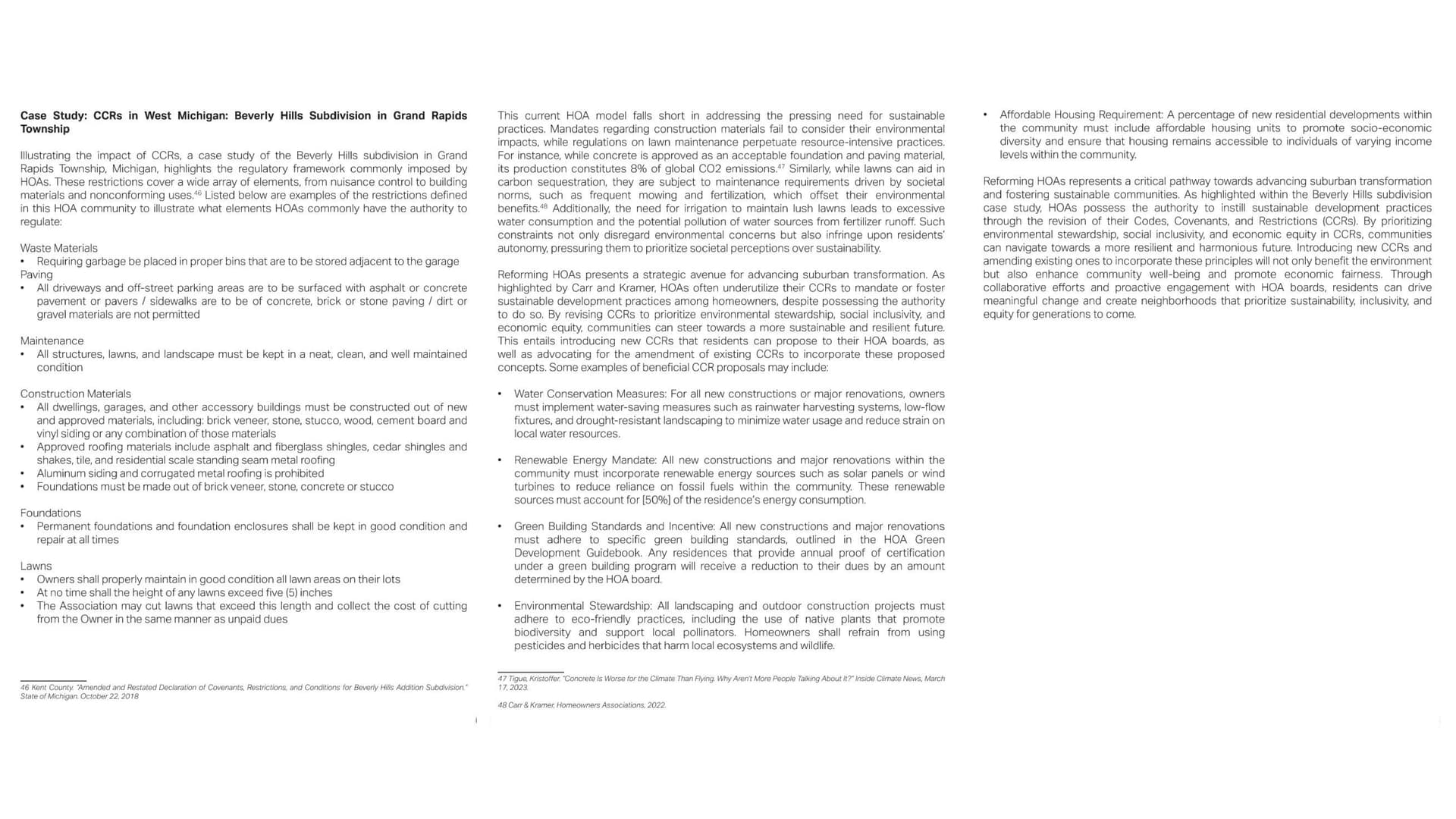
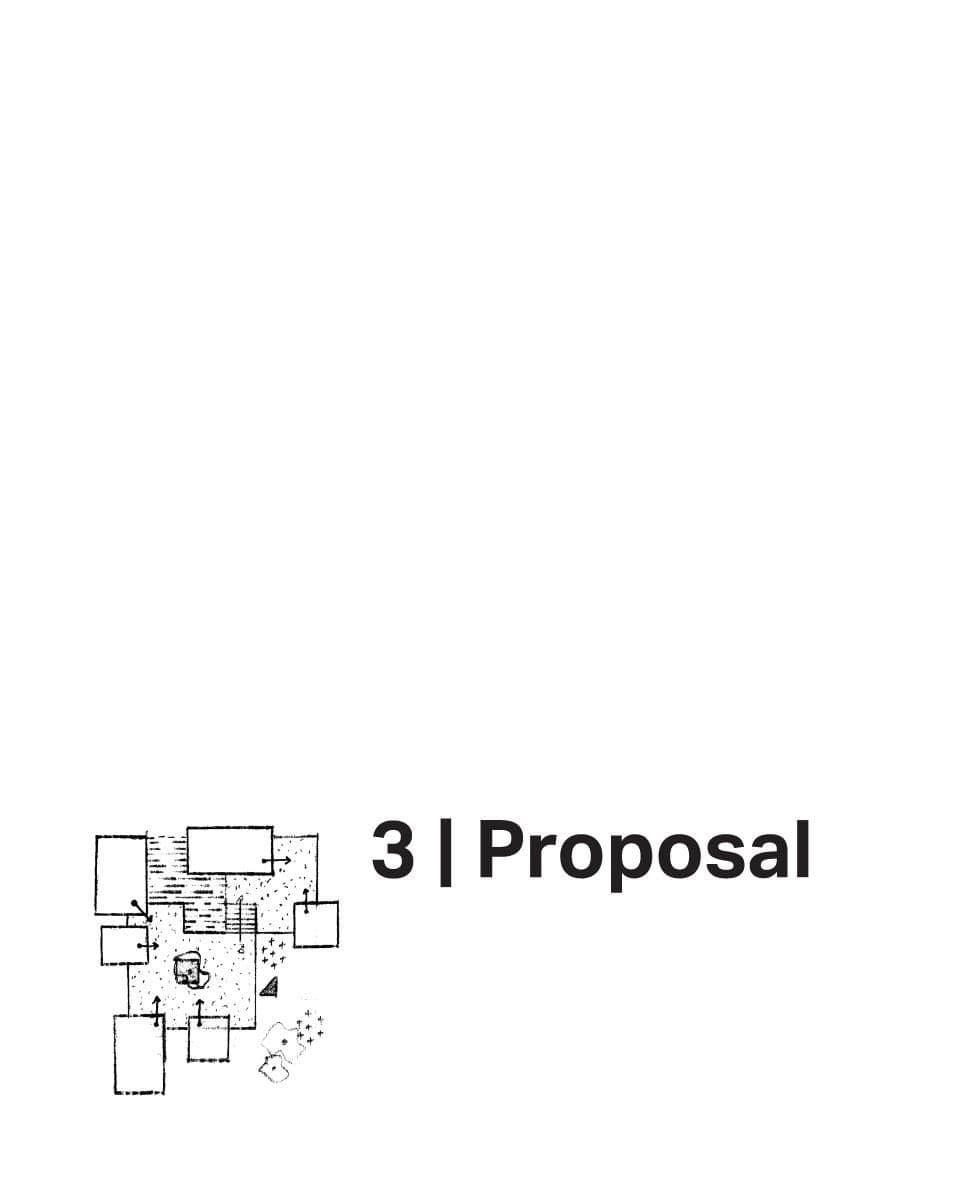
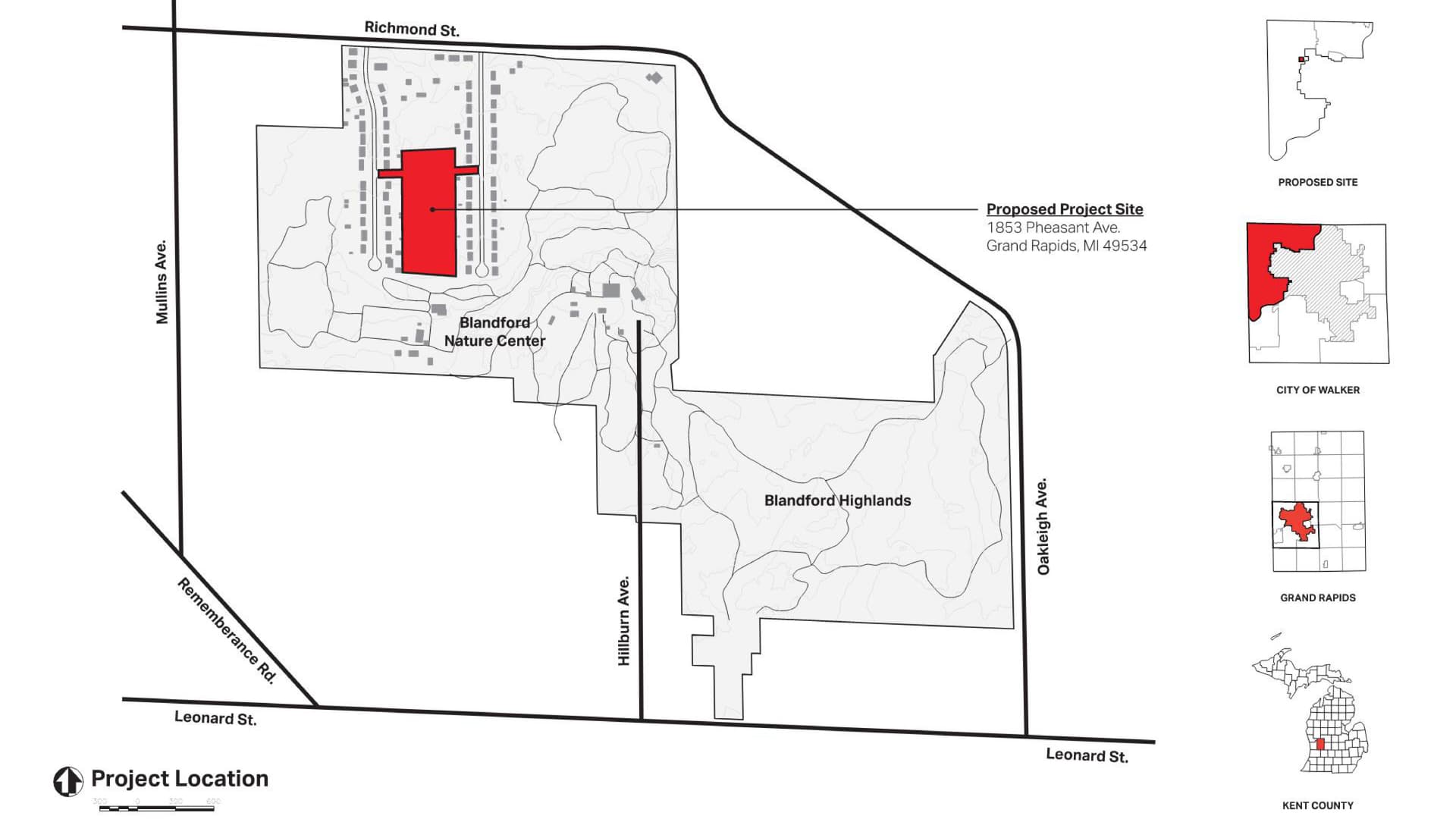
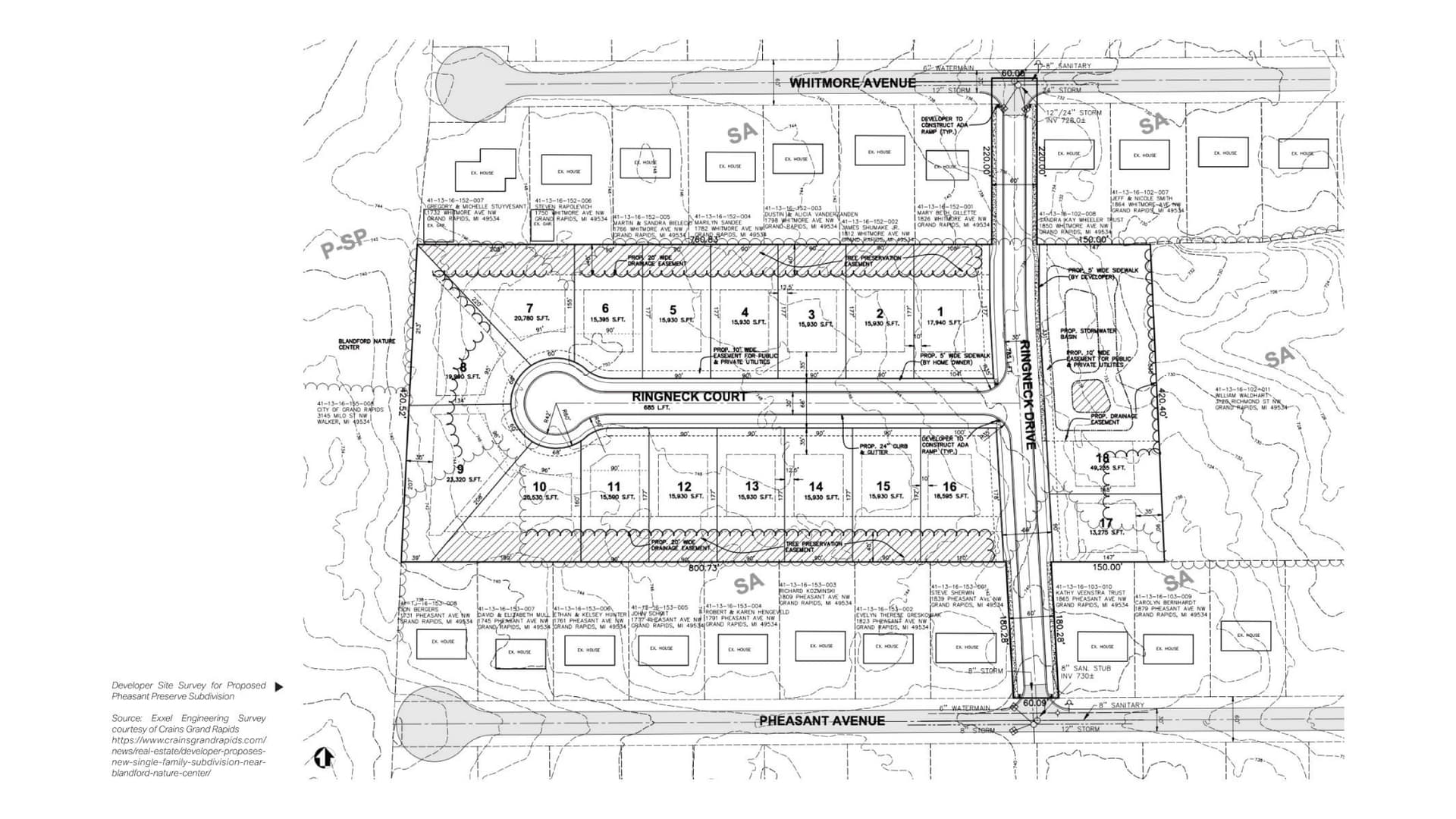
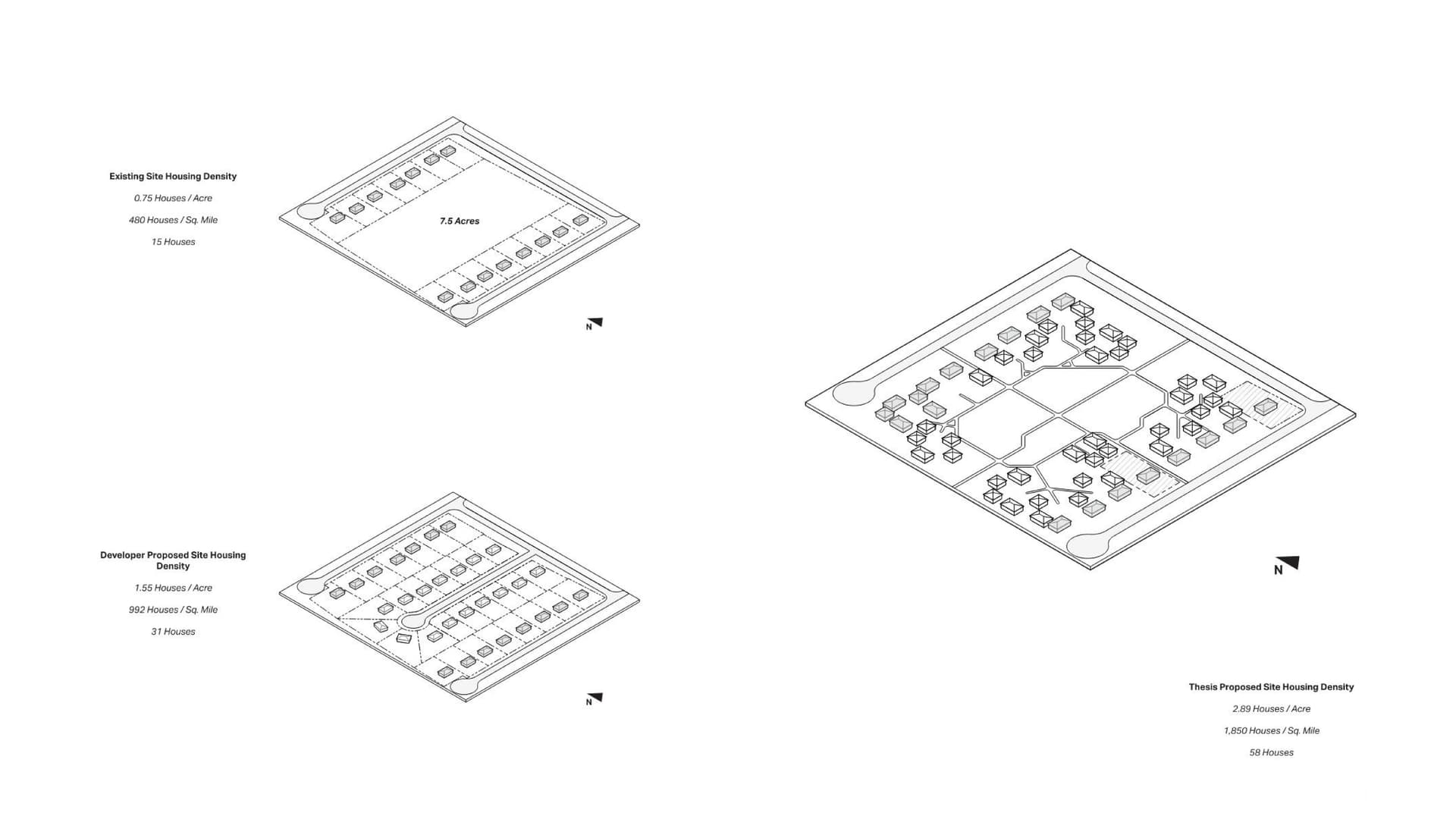
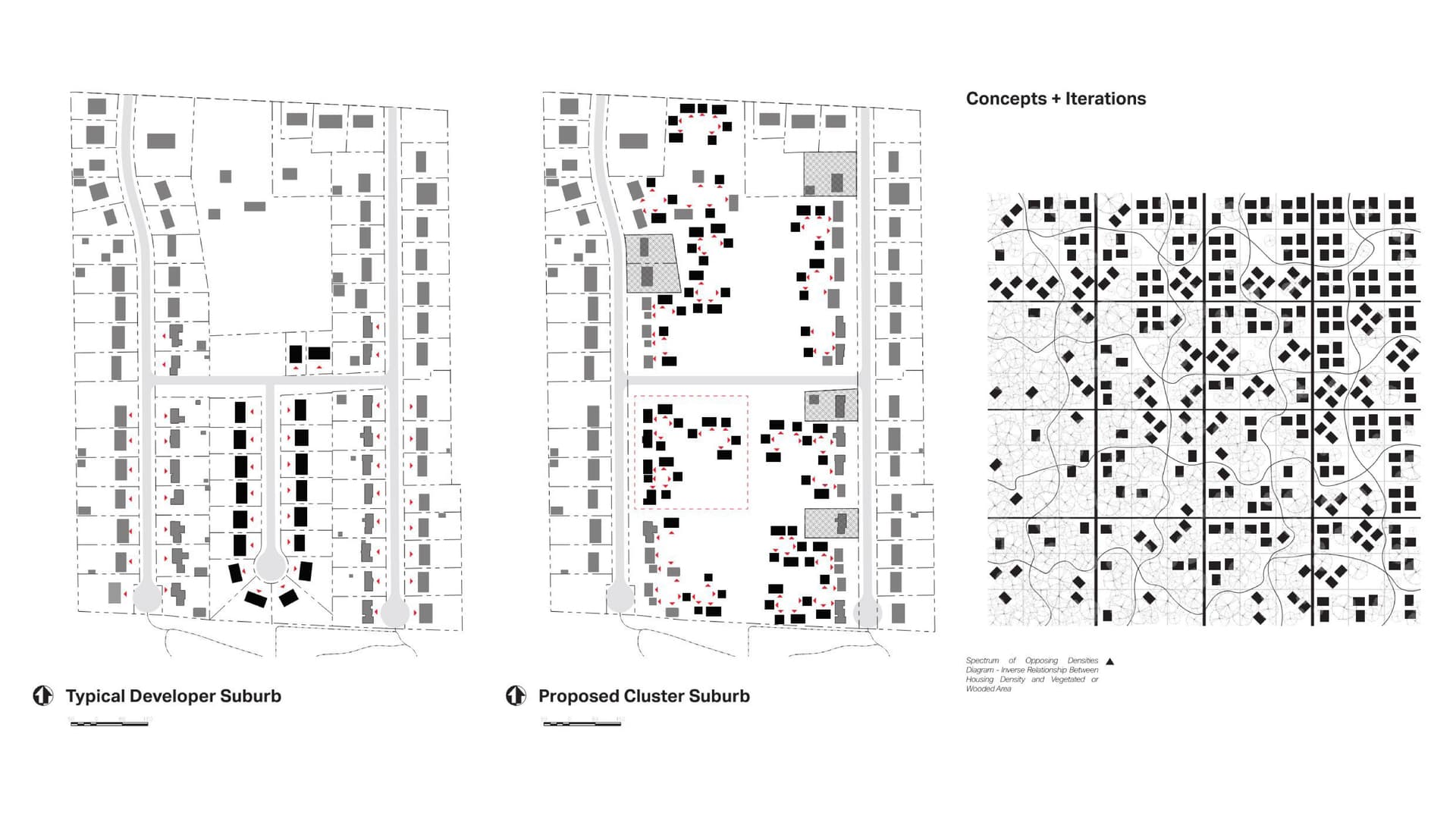
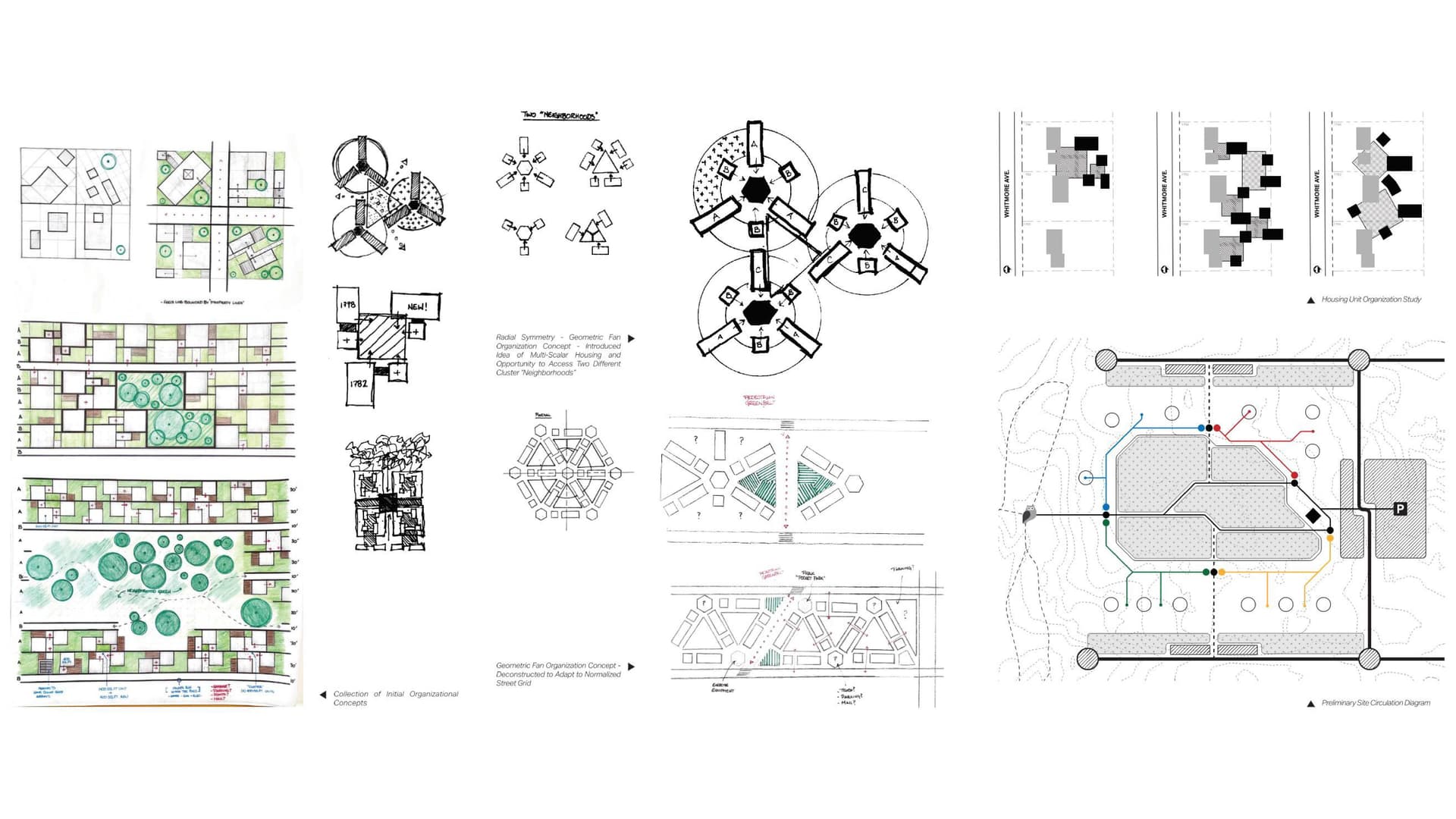
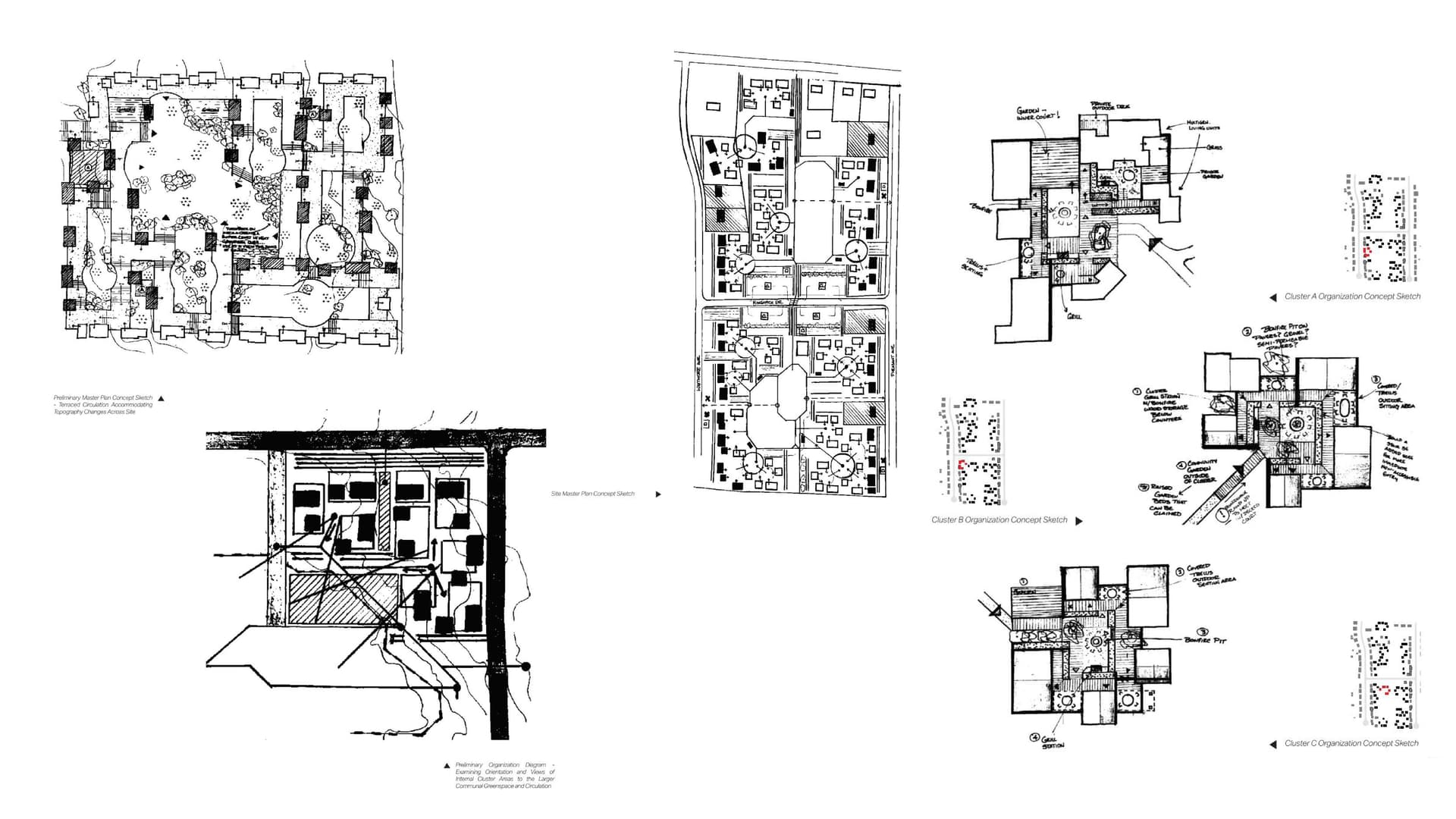
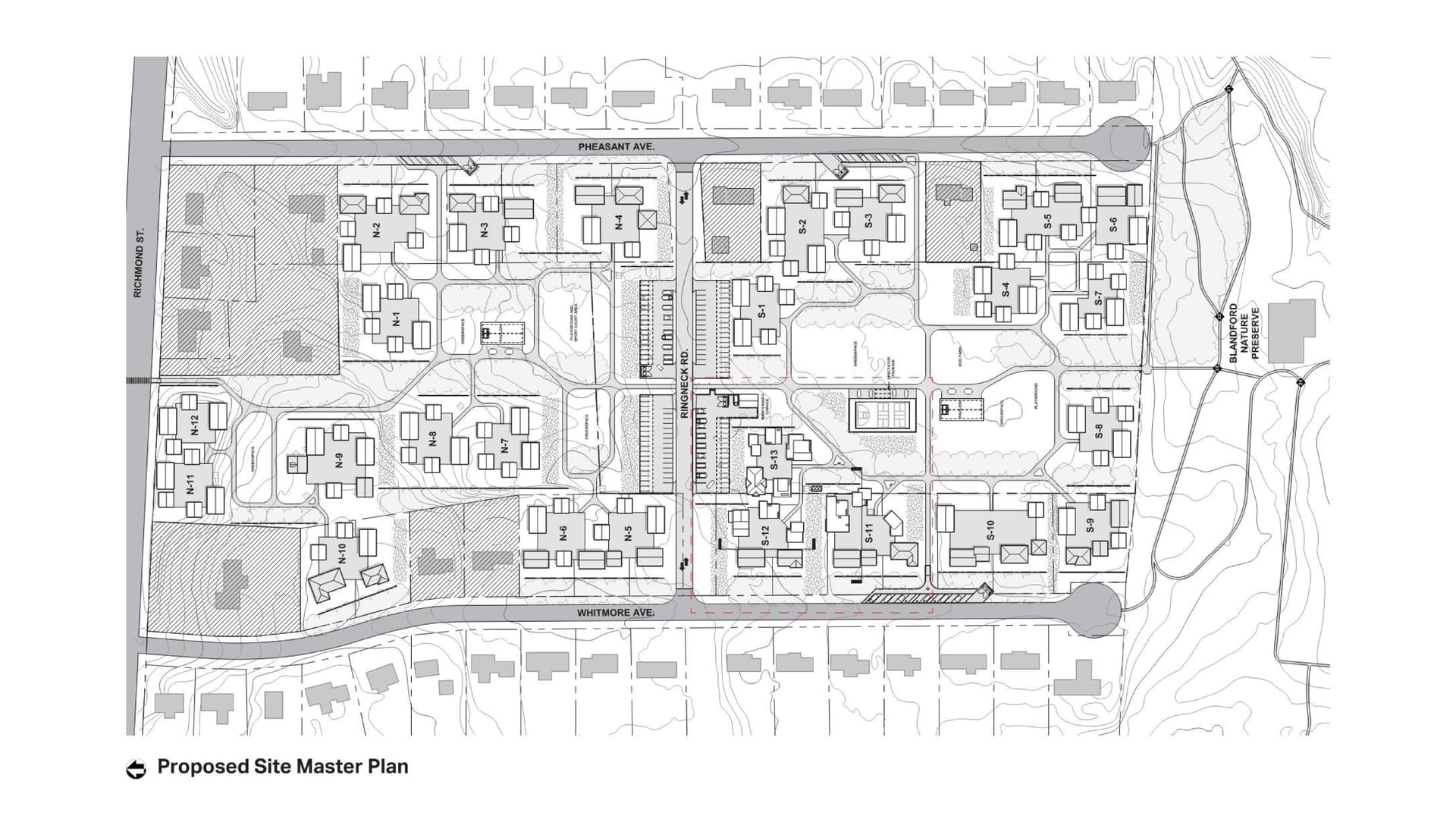
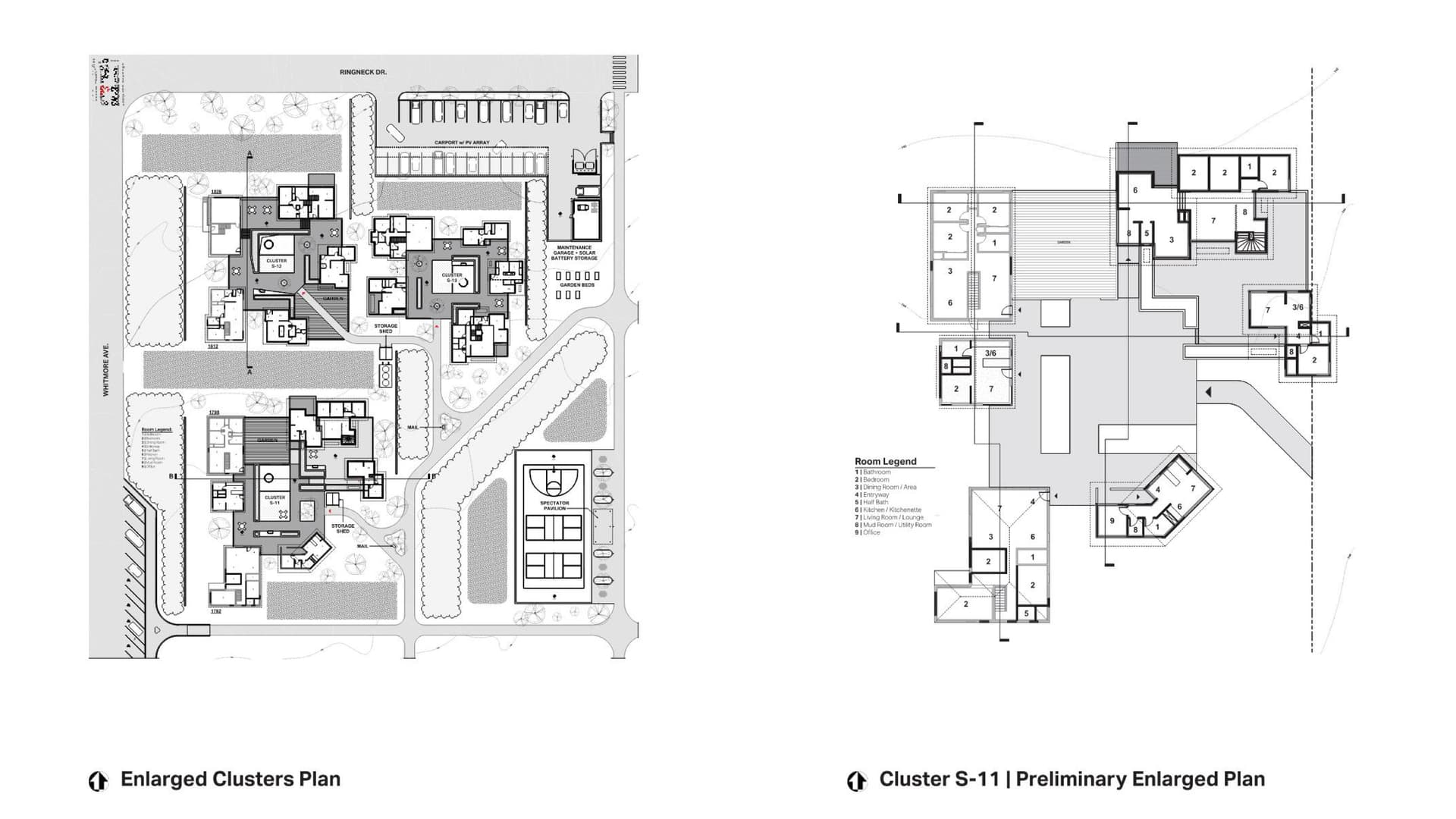
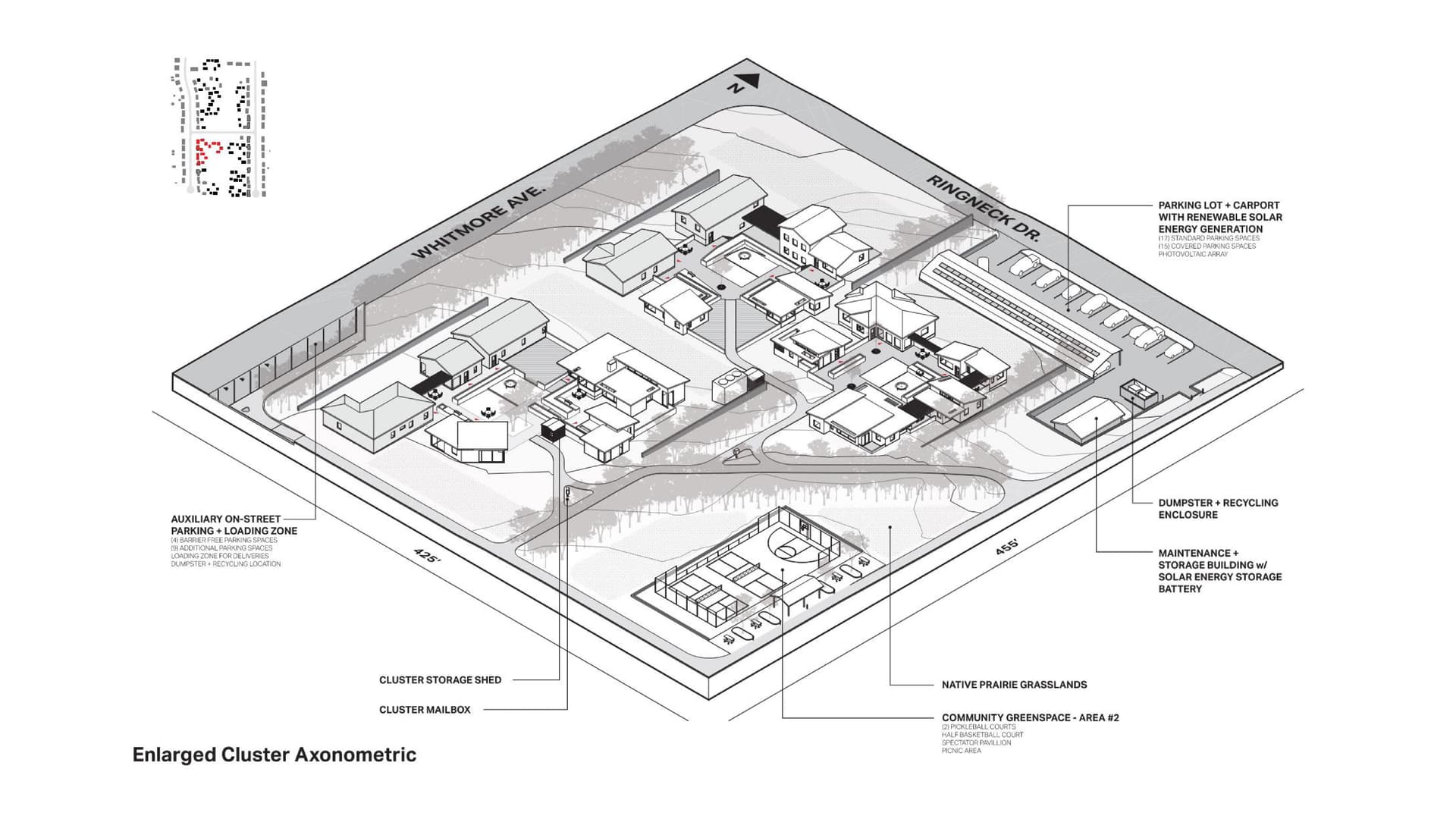
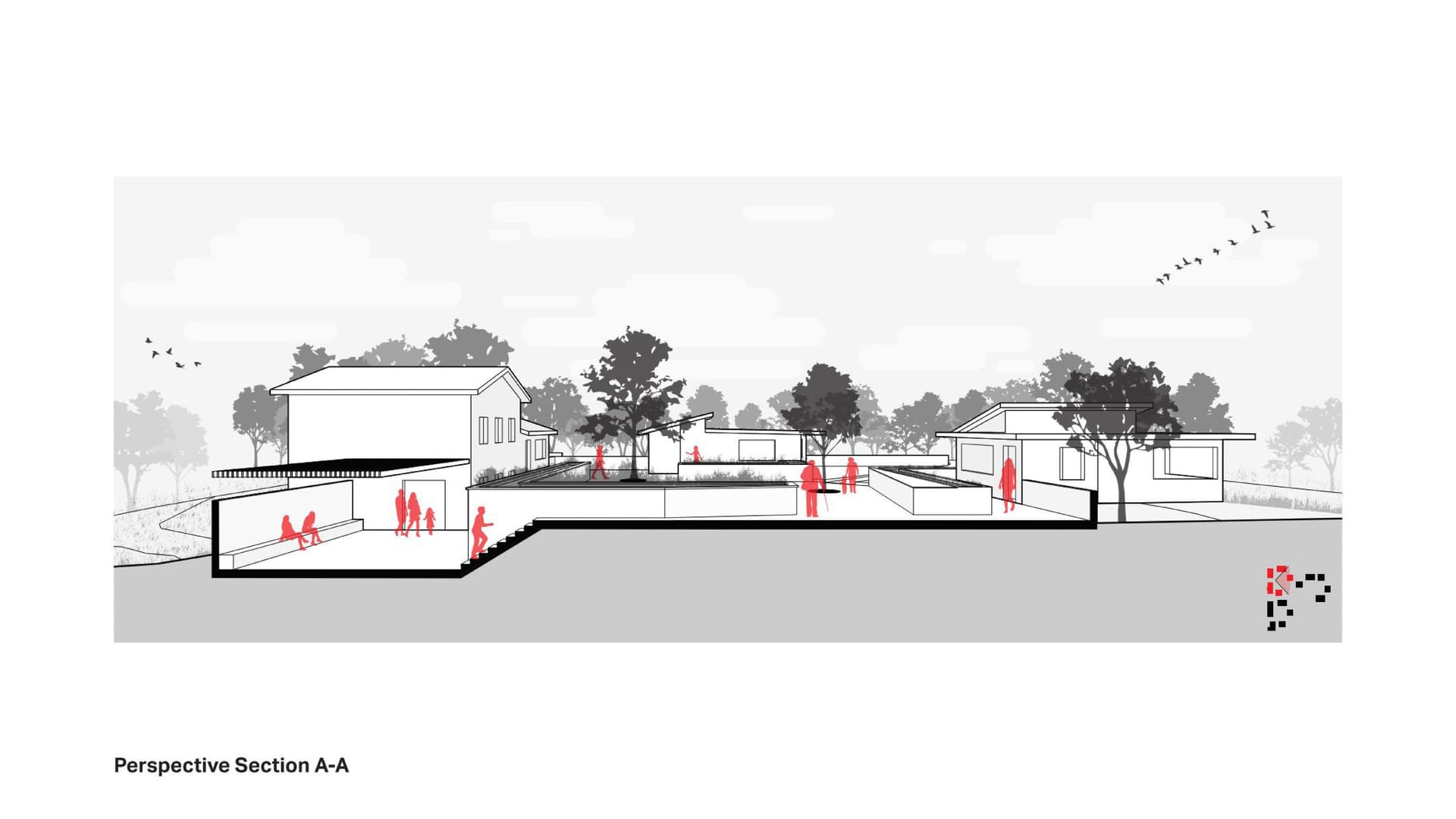
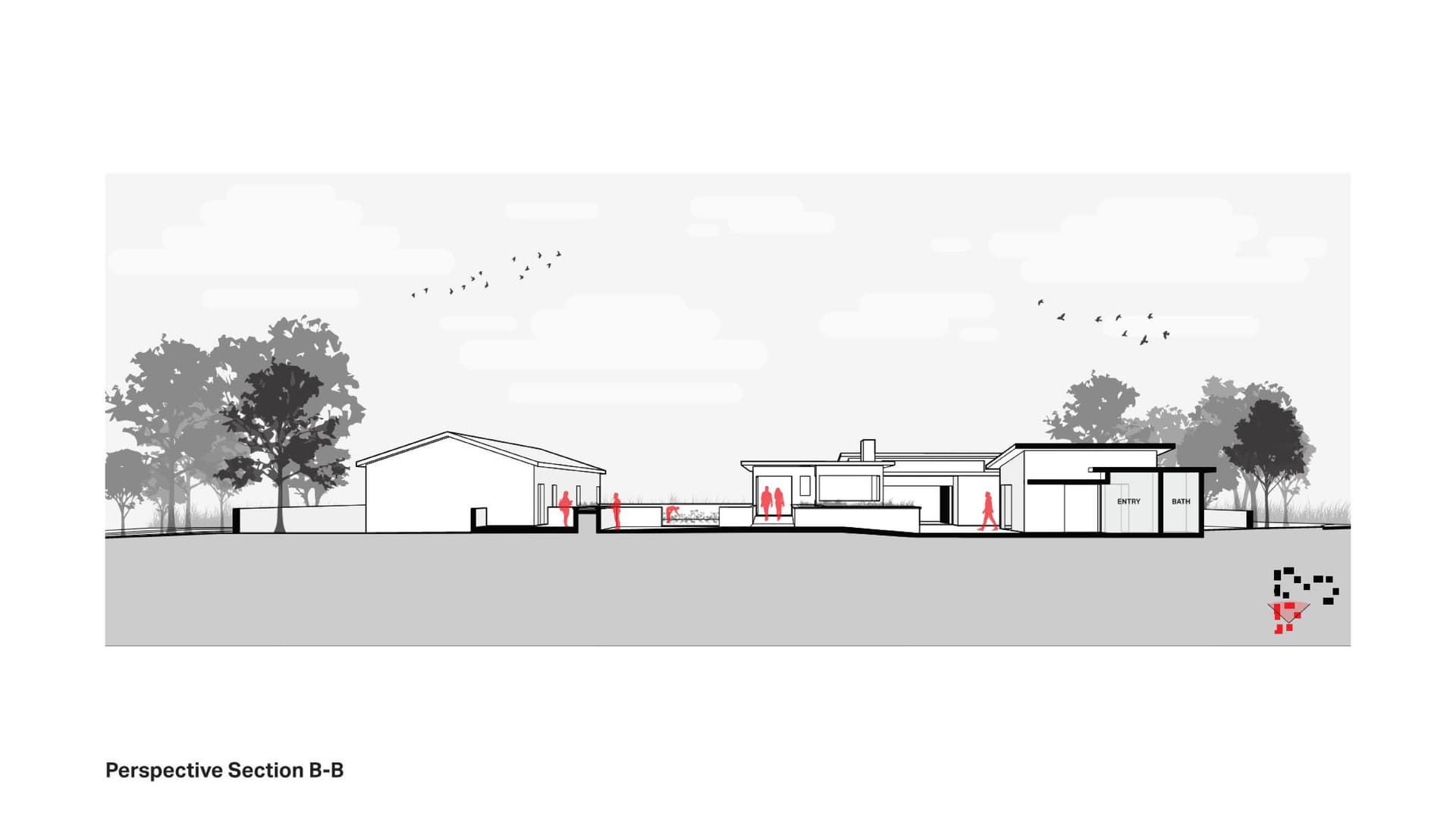
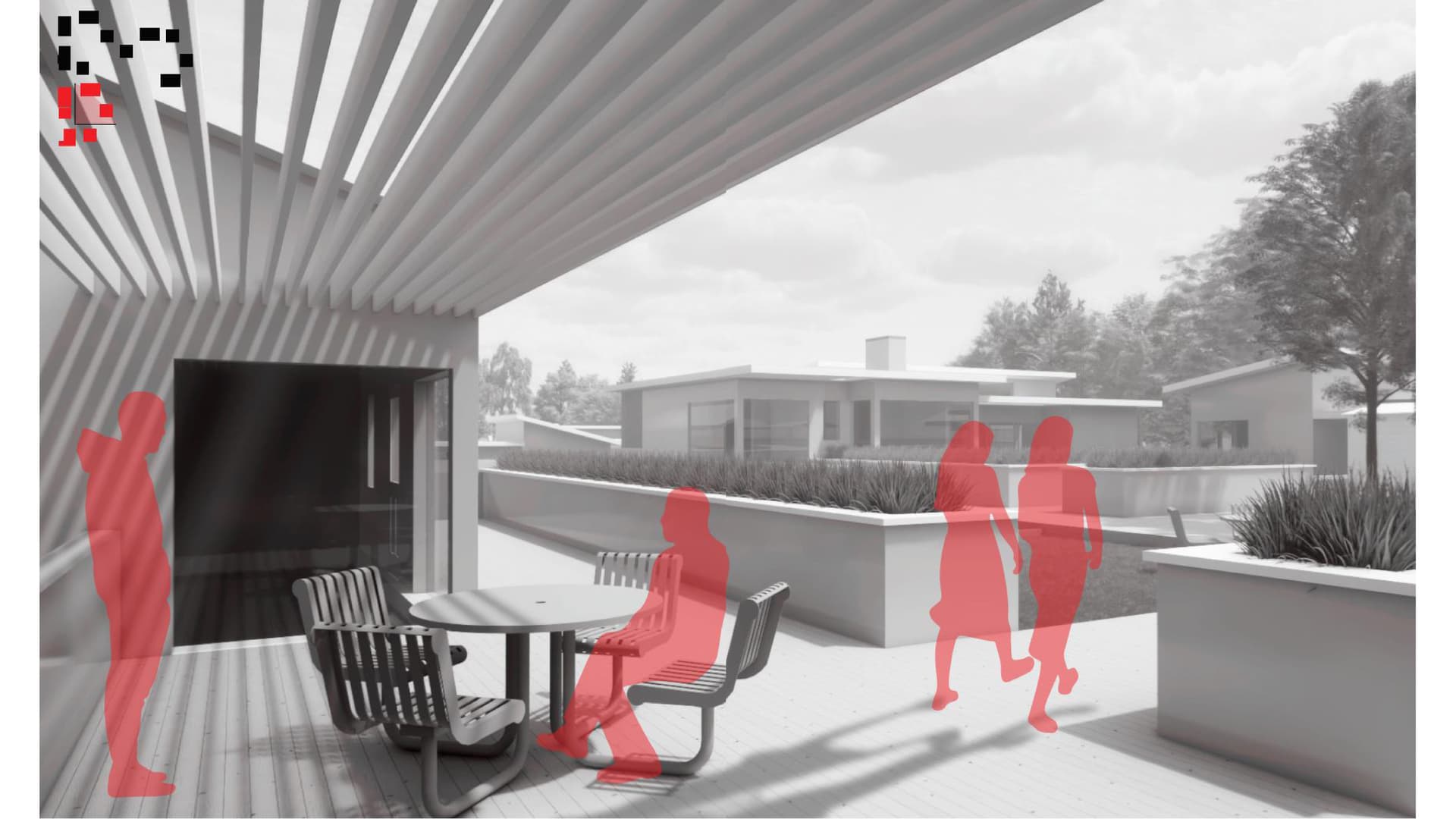
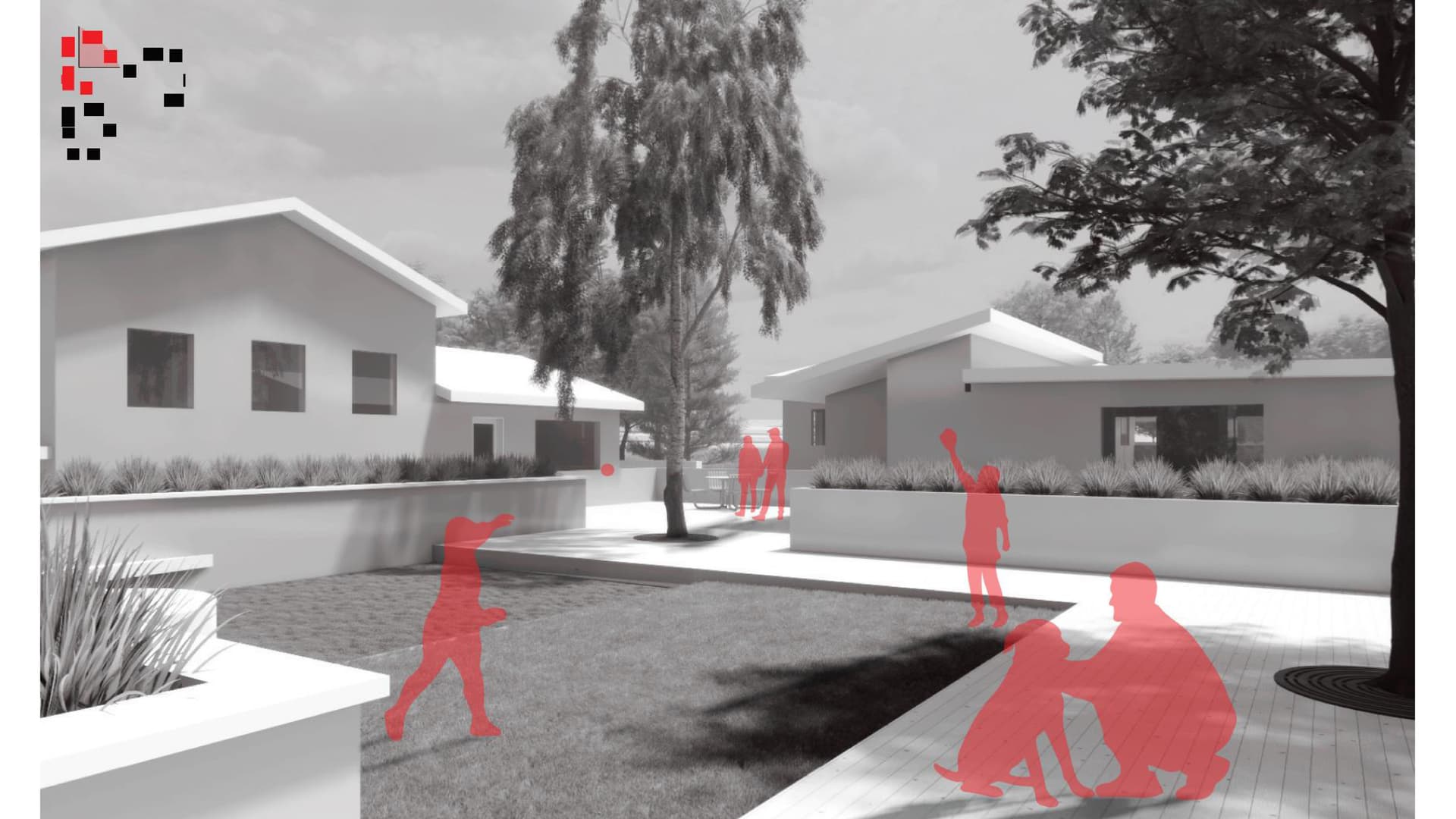
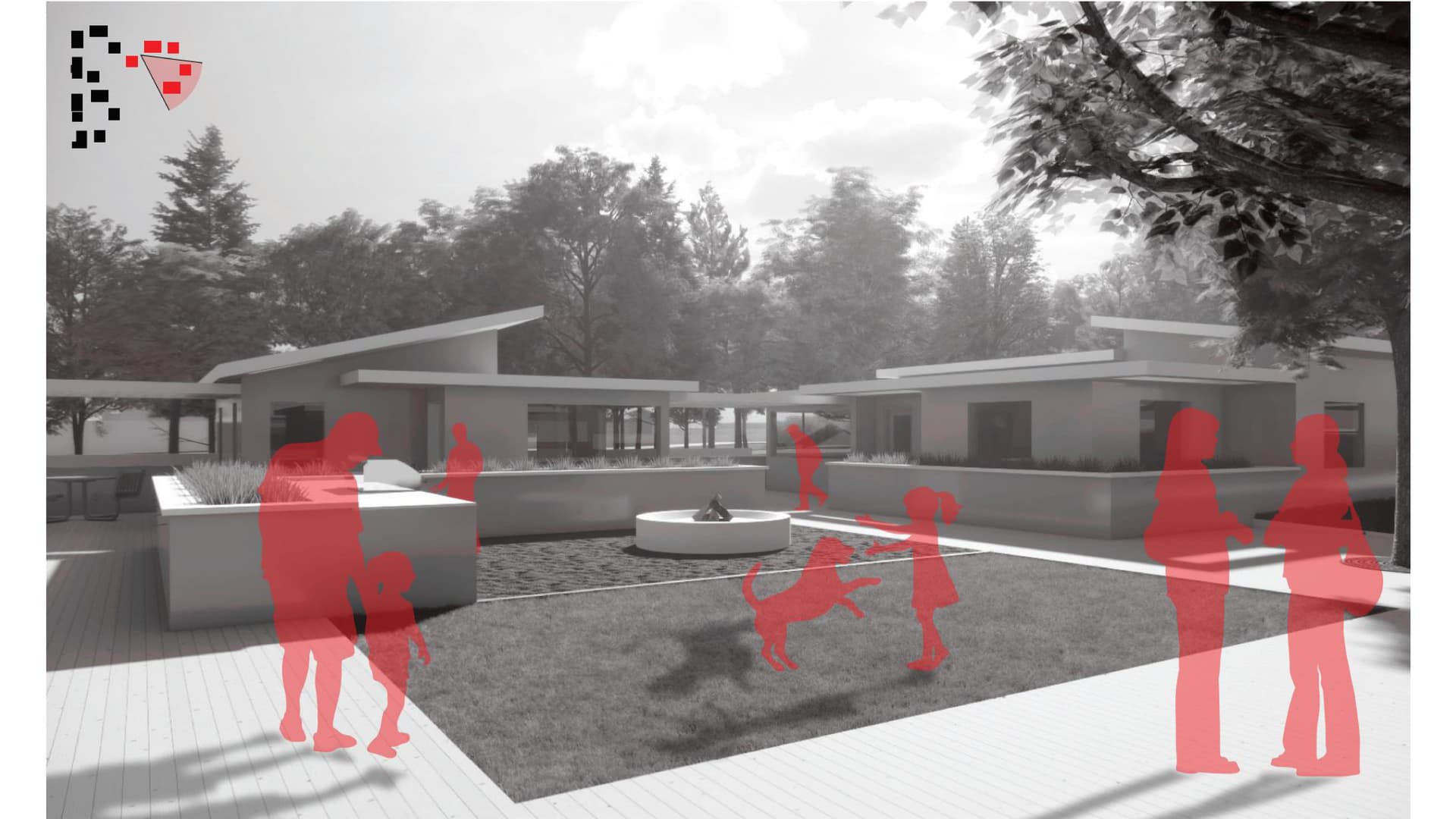
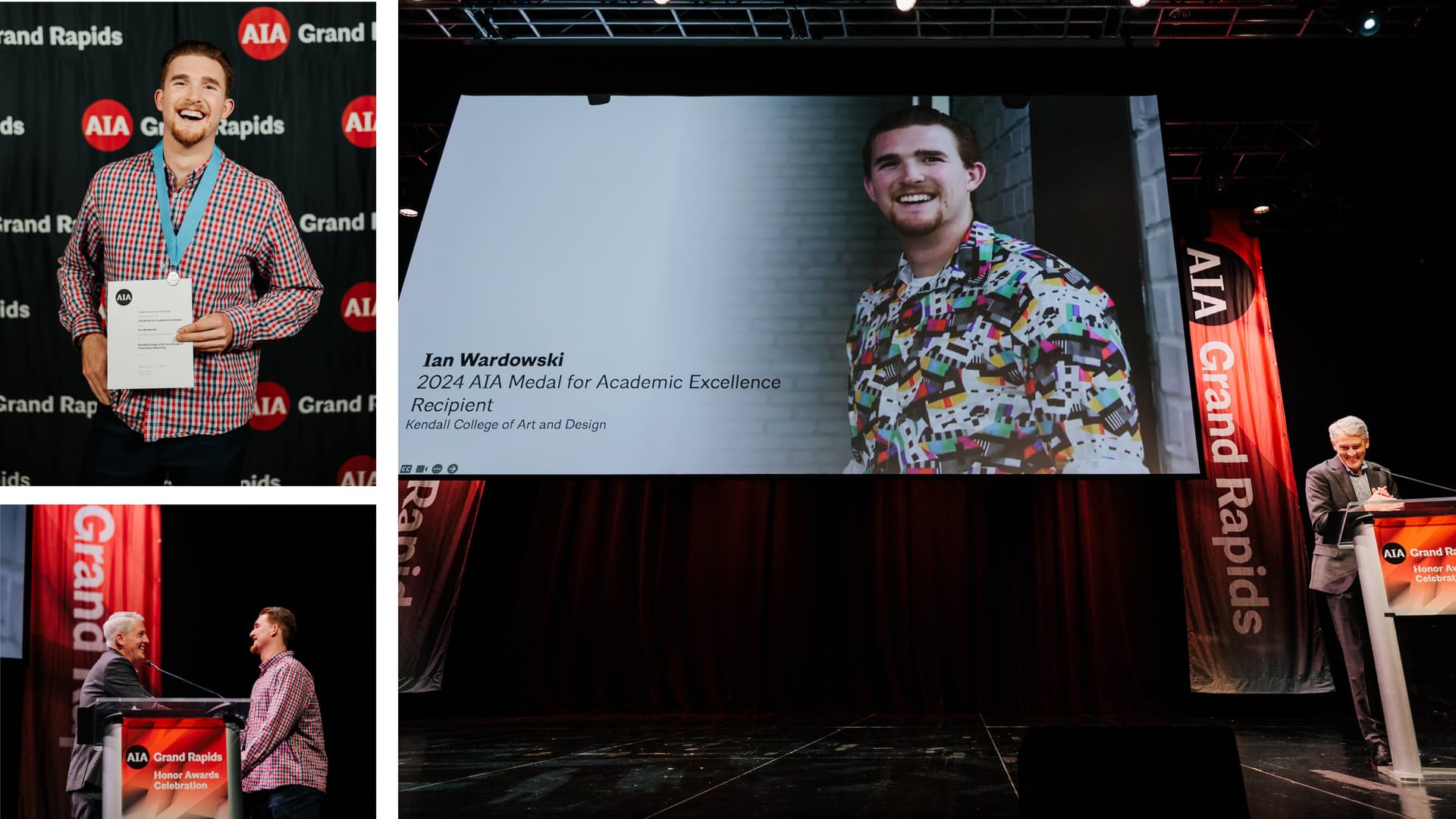
See below for a sample of Ian’s school work, and scroll to the bottom of this page to see his entire thesis project.


5. Is there anything that surprised you about your internship at MMA, or internships in general?
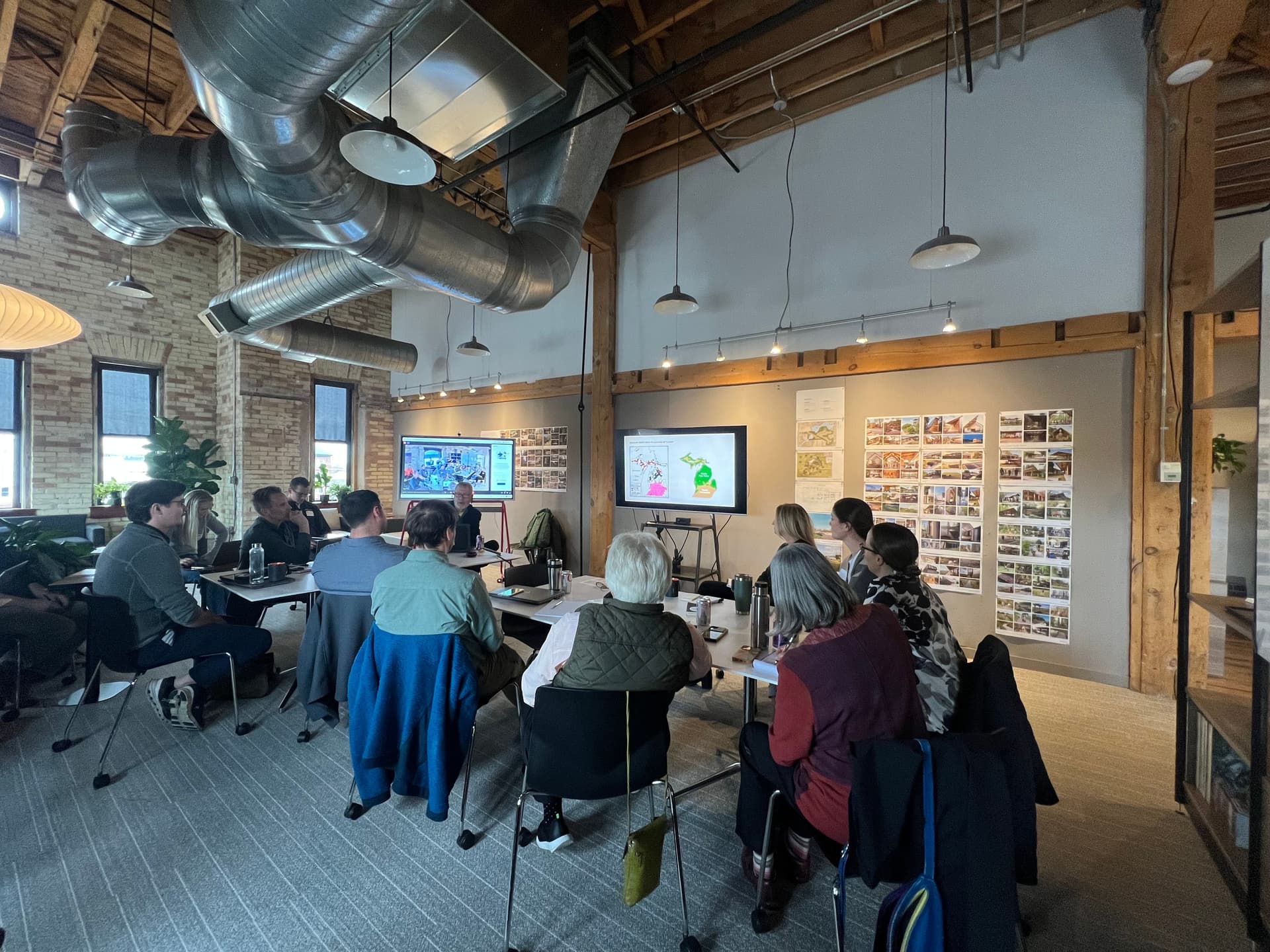
My summer at MMA was my third internship. MMA stood out for its values and collaborative energy. Instead of one person leading all the decisions, I’ve enjoyed how our team troubleshoots projects, suggests different ideas, and creates options together. Further, I have also been part of several whole-office charrettes, where everyone contributes their ideas to a certain project, whether they are on the project team or not. Many interesting ideas have emerged this way by introducing different perspectives to the design process. That collaborative style, which in my experience is unique to MMA, really resonated with me.
6. How did mentorship or collaboration with the MMA team shape your experience as an intern?
Emily Scrimger is a really great mentor for interns and young professionals alike. I can say that both based on personal experience, and what I’ve observed in how she leads others. Emily keeps interns meaningfully engaged on projects, taking the time and effort to involve them in billable work. I am very grateful she pulled me under her wing and provided me with opportunities to contribute to projects with her and learn from her experience and skill.
Through my transition to becoming a full-time employee, Brent DeKryger has become a great mentor who is always willing to walk me through tasks, answer questions, and take the time to demonstrate best practices. Brent takes time out of his day to teach, pass along his knowledge and experience, and does so in an encouraging and positive way. He’s a great mentor to look up to and learn from.
7. What made you realize MMA was a place you could see yourself long-term?
I knew I could see myself at MMA long-term because I really aligned with the firm’s values. I am able to be myself every day in the office. Even as an intern, I felt like my work mattered and everyone cared about my input. This made me feel comfortable and confident in sharing my thoughts. I was encouraged to take ownership of my contributions and learn through real-life situations and relationships.
8. How does your role as a full-time employee differ from your time as an intern?
As a full-time employee, my responsibilities have grown, along with the level of trust placed in me. I’ve taken on more projects and have had opportunities to step forward with greater independence, applying what I know, building new skills, and learning through experience along the way. I also really value being able to focus my full energy on my professional role, rather than balancing it with academic demands.
9. How did you make the transition from an intern to a full-time employee?
To be honest, there were moments when I felt some uncertainty about my future. That led me to take initiative and have a conversation with MMA’s principals, Megan, Evan, and Ben. I shared my interest in continuing full-time if there was an opportunity to grow with the firm. I also wanted clarity so I could plan accordingly if needed.
I really appreciated the transparency and support from leadership throughout that process. Ben, in particular, made a point to check in with me every couple of weeks to talk about my experience, schoolwork, and future goals. That level of engagement and investment meant a lot and made the experience especially rewarding.
10. How would you describe our firm culture to someone considering an internship here?
Collaborative
Teamwork
Friendly
Passionate
Approachable
Energetic
Motivated
Determined
11. Where do you hope to grow professionally in the next few years?
My goal is to become a licensed architect within the next two years. I’m currently teaching my second class at Ferris State University. This experience has been rewarding; I have thoroughly enjoyed passing on my knowledge and experiences from my personal journey to students and intend to continue staying connected to the academic realm.I value the opportunity to pass on knowledge, help students become desirable candidates for internships, and lead them in academic work like model making and diagrams.
12. Looking back at your experience as an intern and transitioning that role into a full-time position, what advice would you offer other young professionals navigating this point in their careers?
My biggest piece of advice is to stay on top of logging your AXP hours. It’s an important part of your professional development, and getting into the habit early will make the process much easier over time. Since there are timelines that can affect how much credit you receive, being proactive and consistently tracking your hours, with your mentor’s support, really pays off. MMA Principal, Ben Franceschi, has served as my AXP mentor and I appreciate the willingness of MMA to support a young professional’s journey towards licensure.
I’d also encourage you to be vocal and engaged. Sharing your thoughts, asking questions, and contributing ideas are all valuable parts of the learning process. No one is right all the time and no idea is a bad one.Being open to learning, even through mistakes, is one of the best ways to grow.